Lancaster University Spine
Revitalising Lancaster University's historic Spine through community-led design, heritage-informed placemaking and pioneering sustainable infrastructure.Client
Lancaster University
Location
Bailrigg Campus, Lancaster
Dates
2015–2017
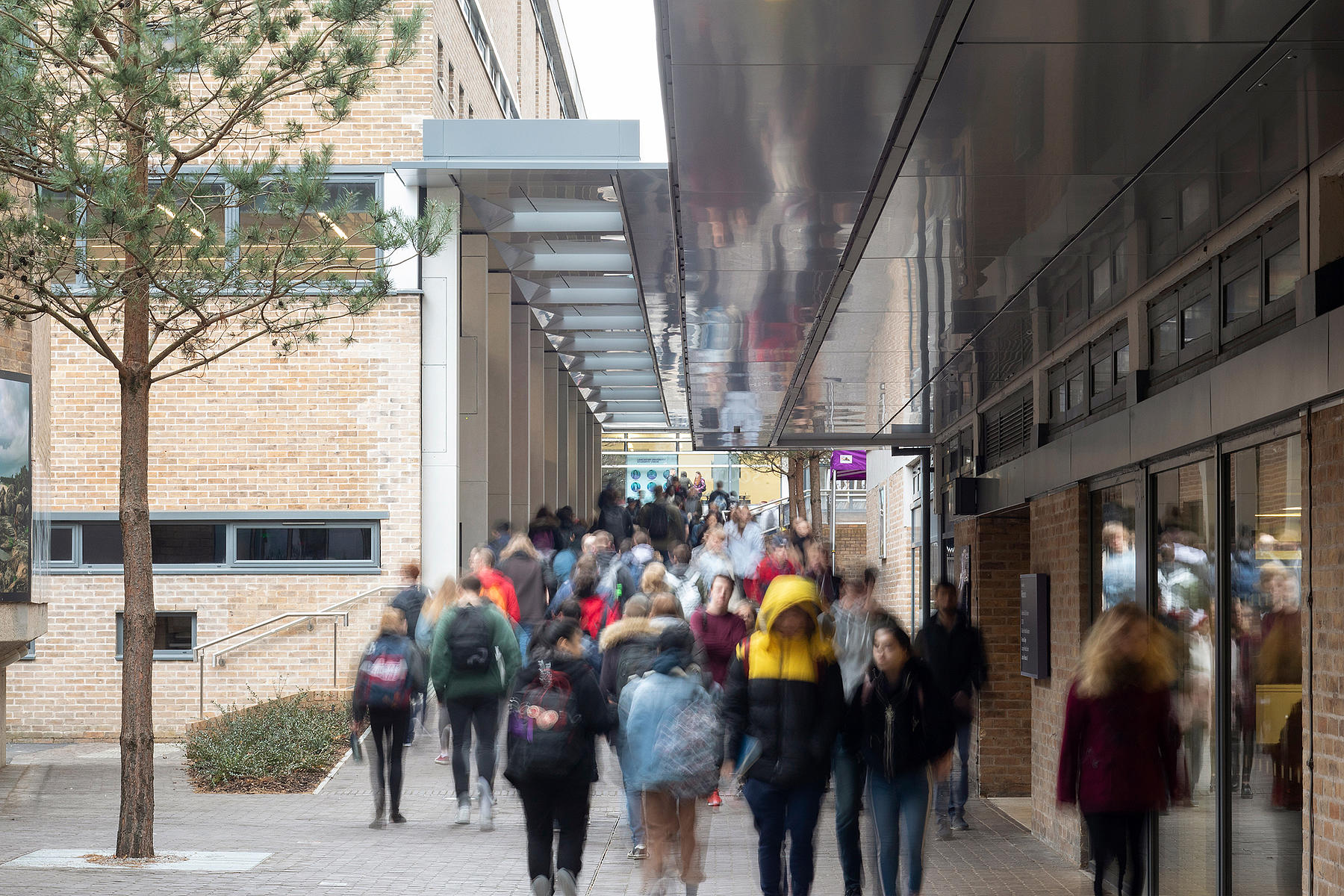
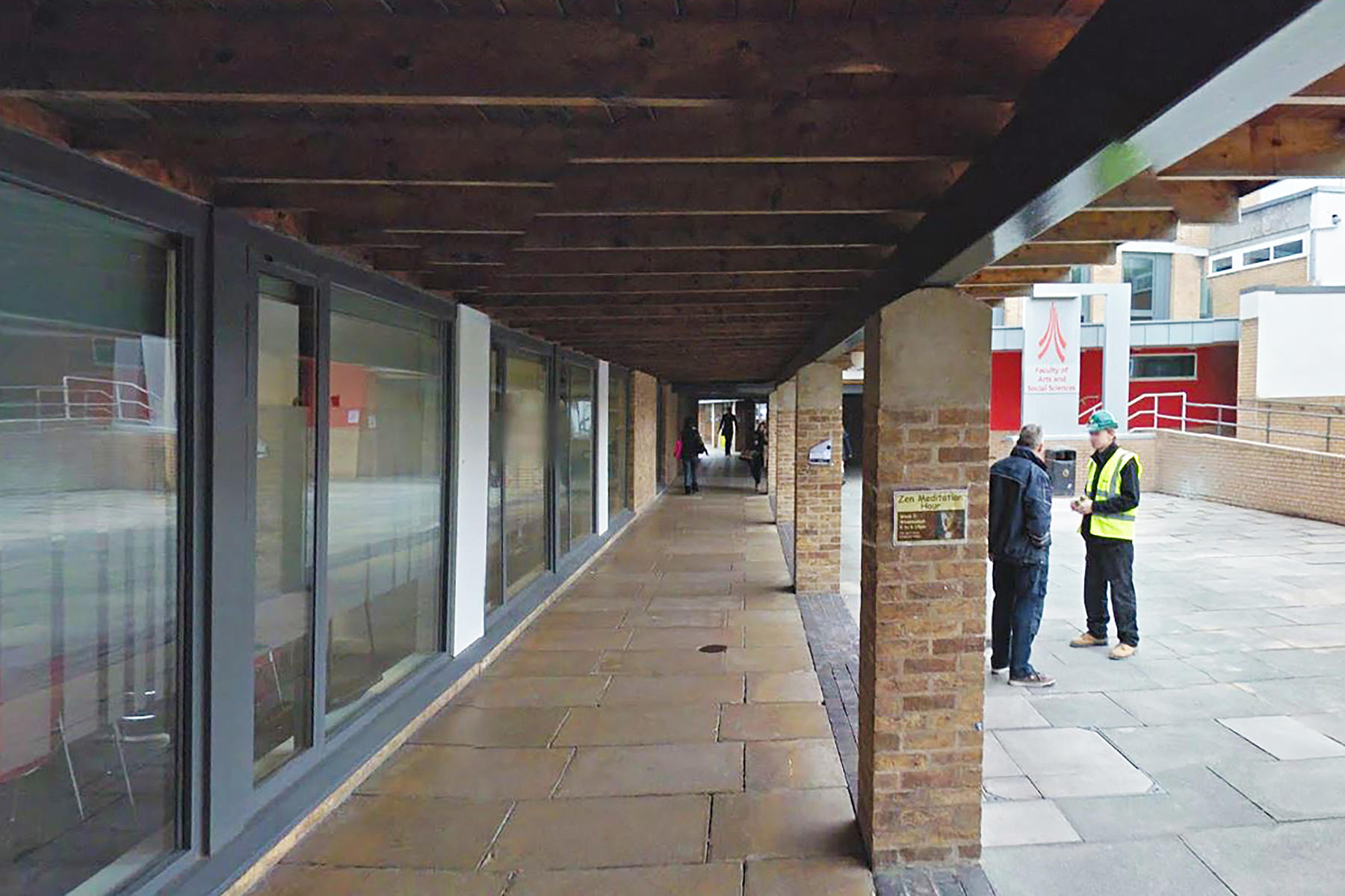
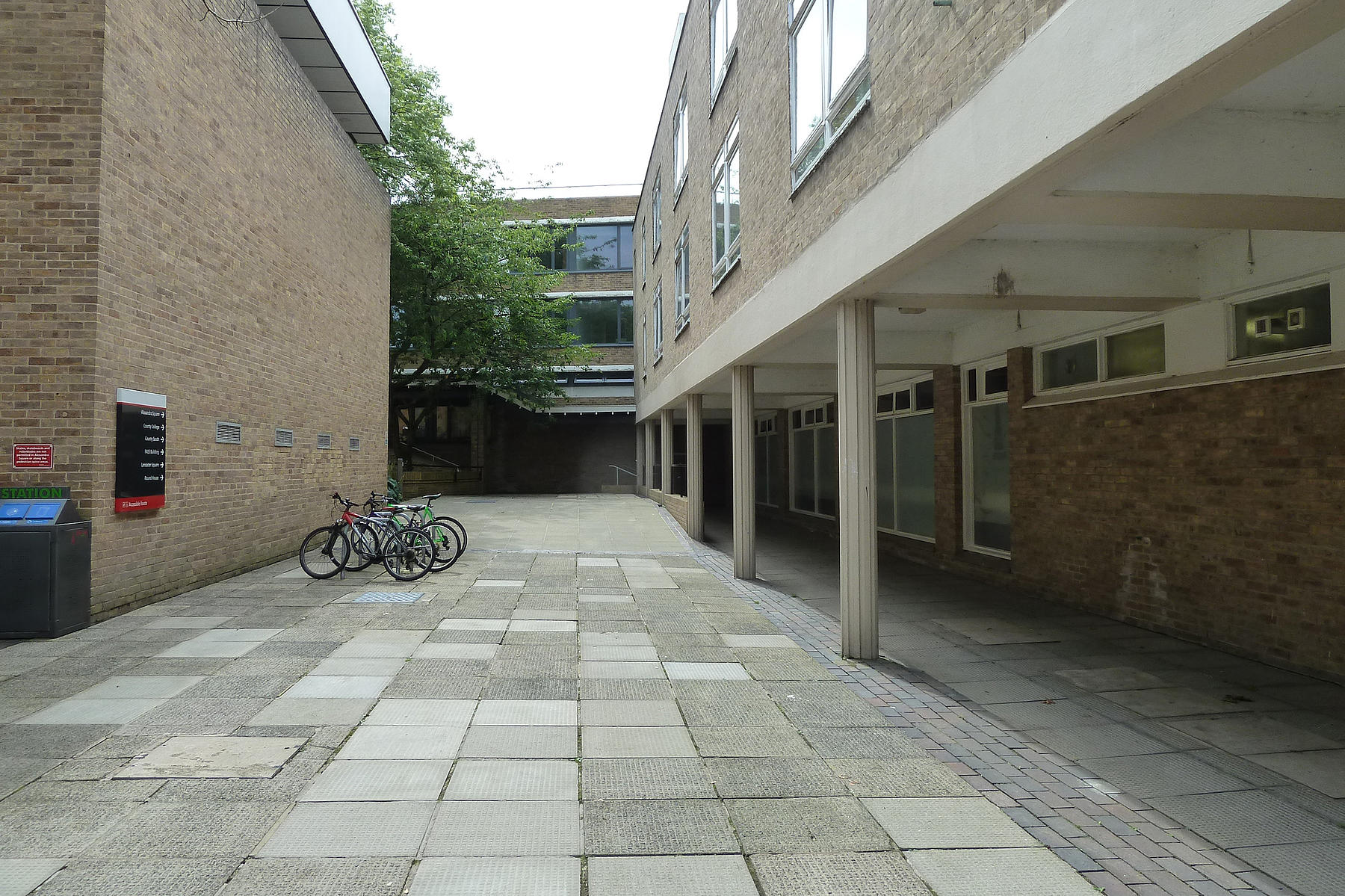
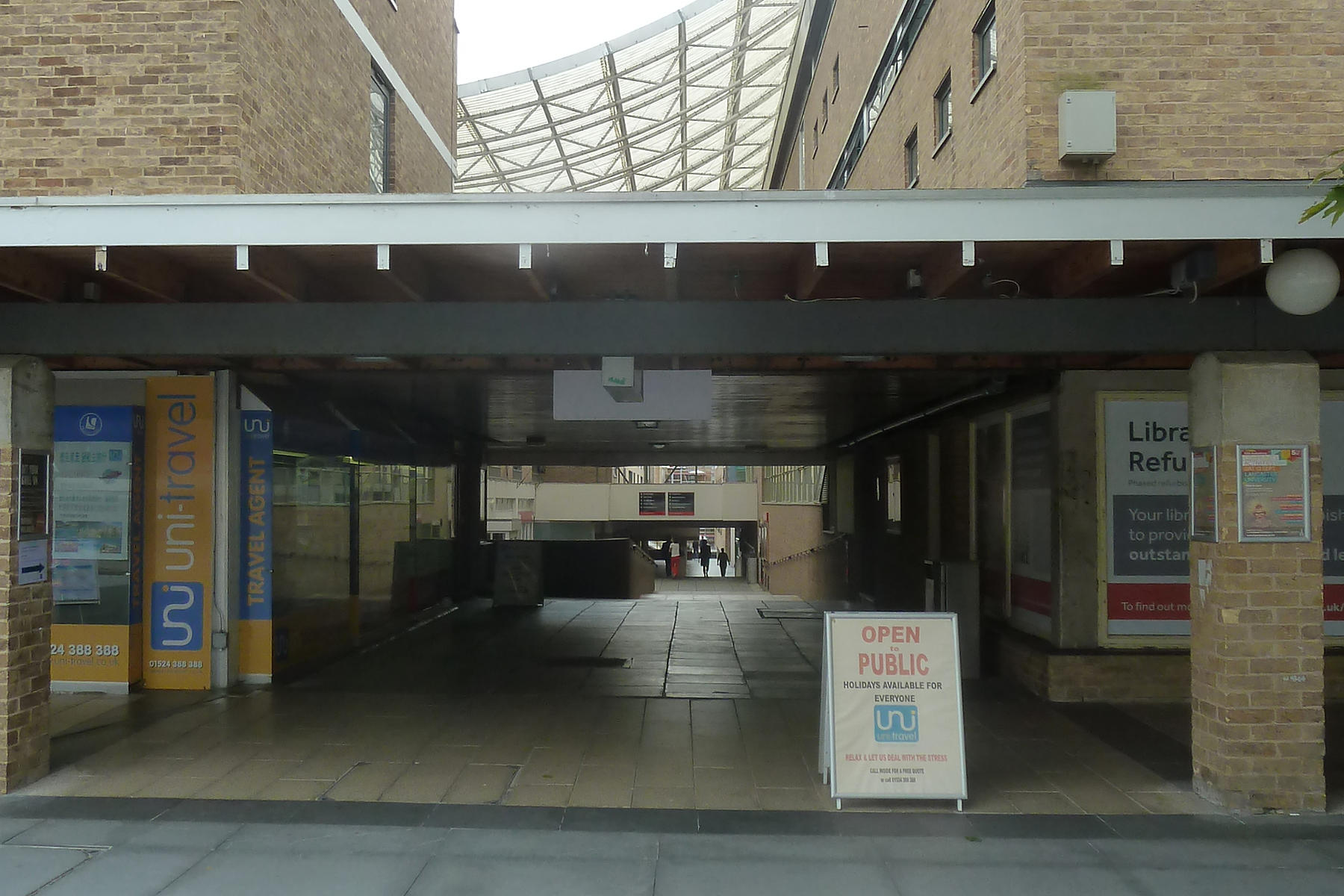
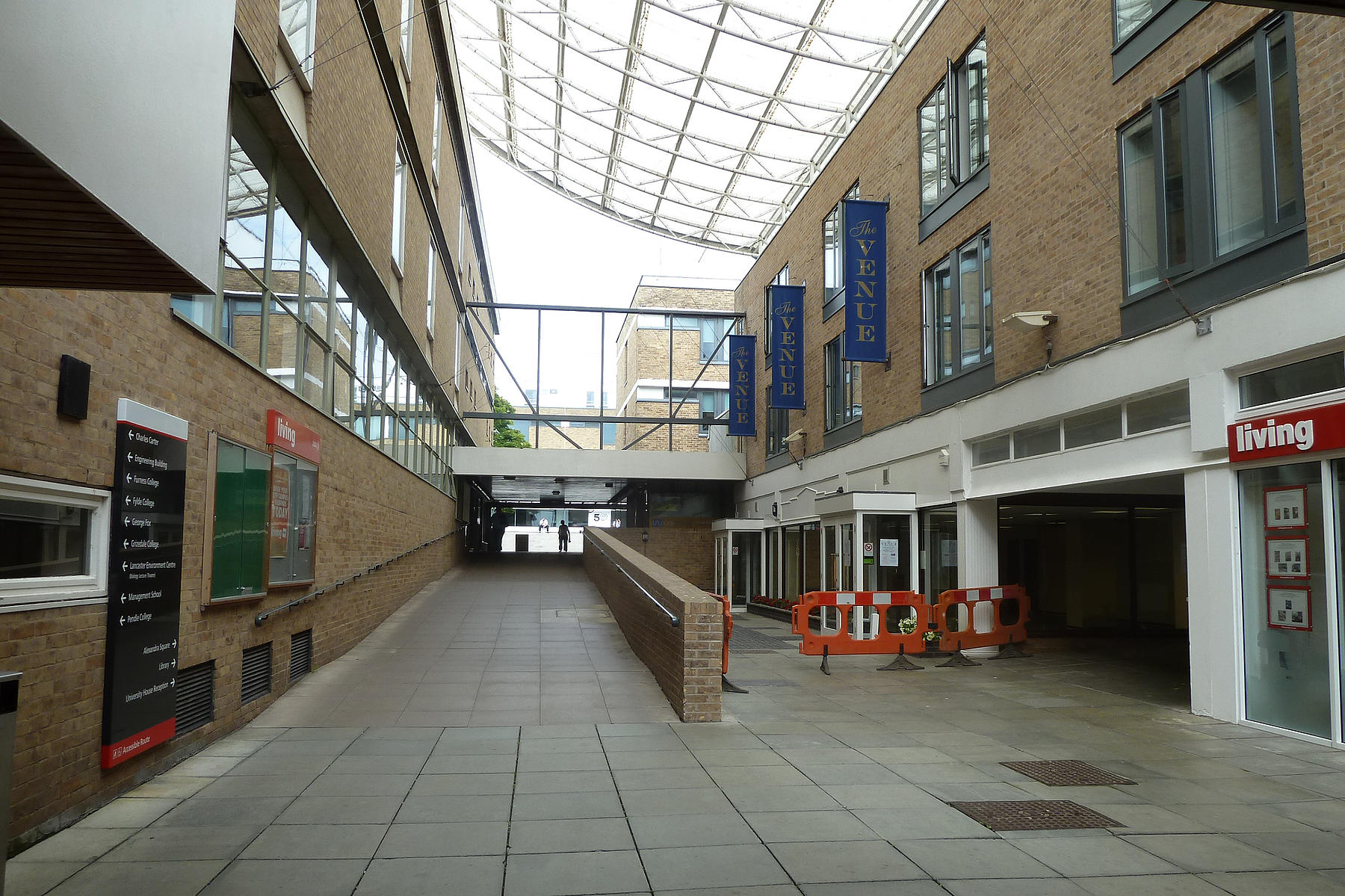
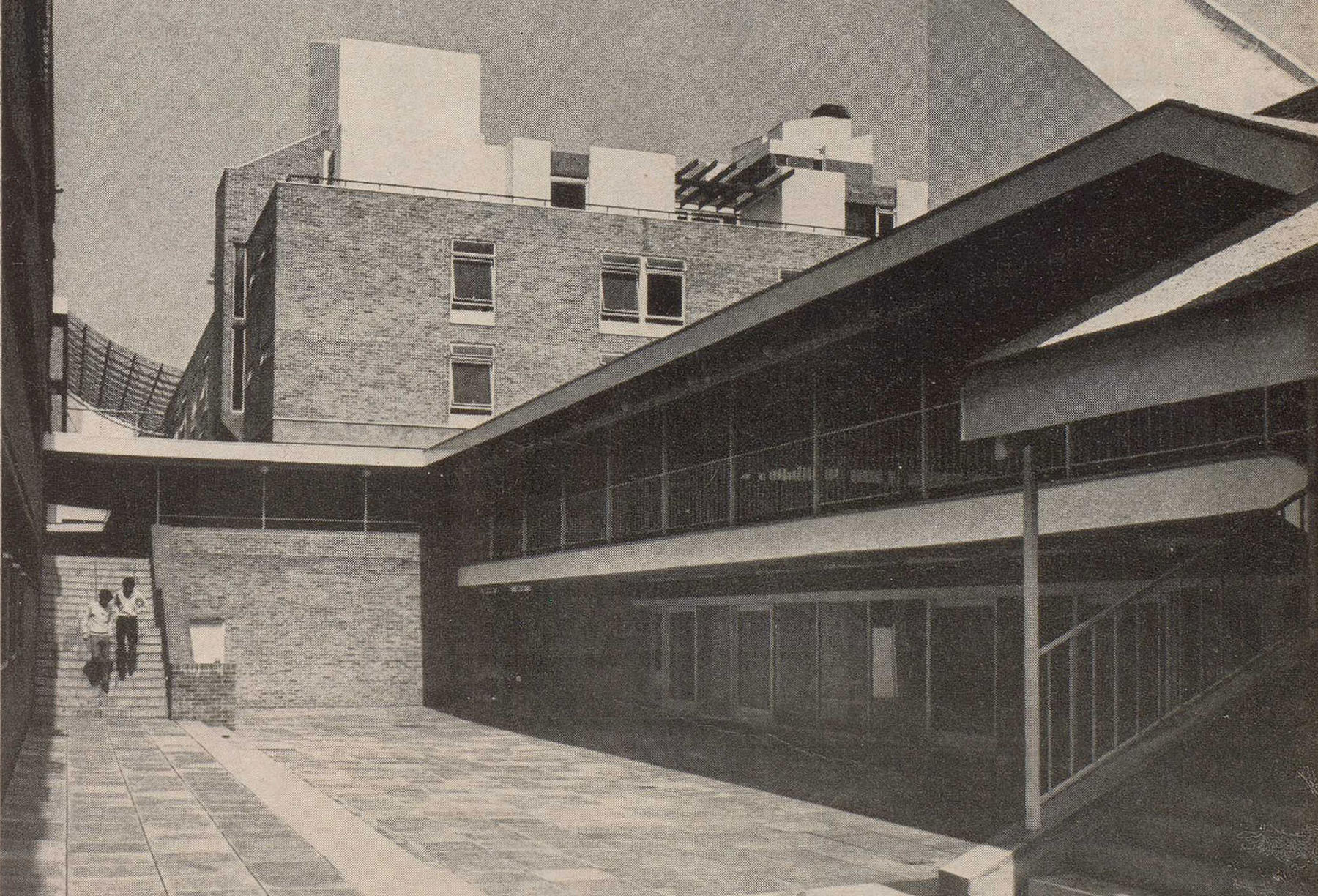
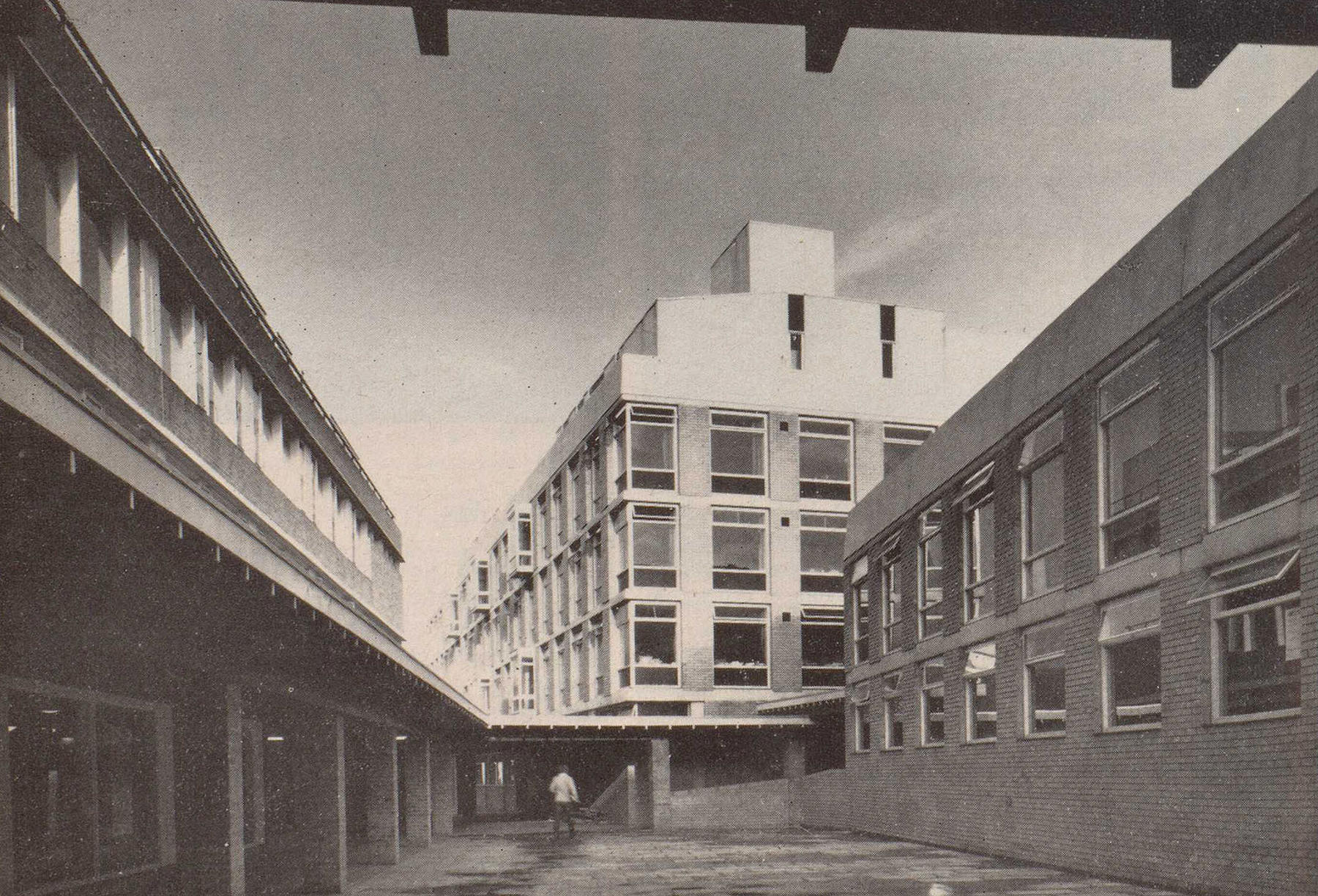
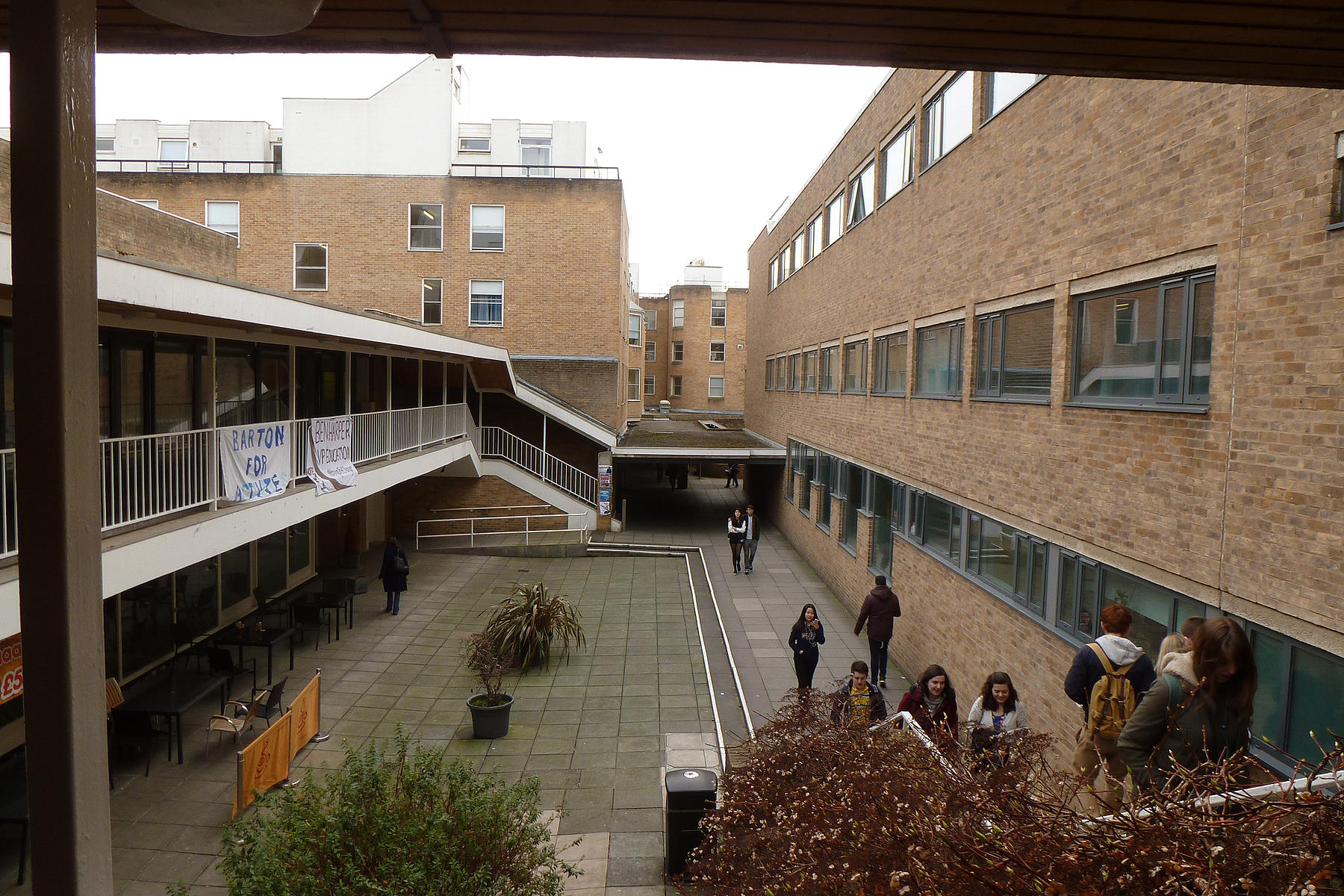
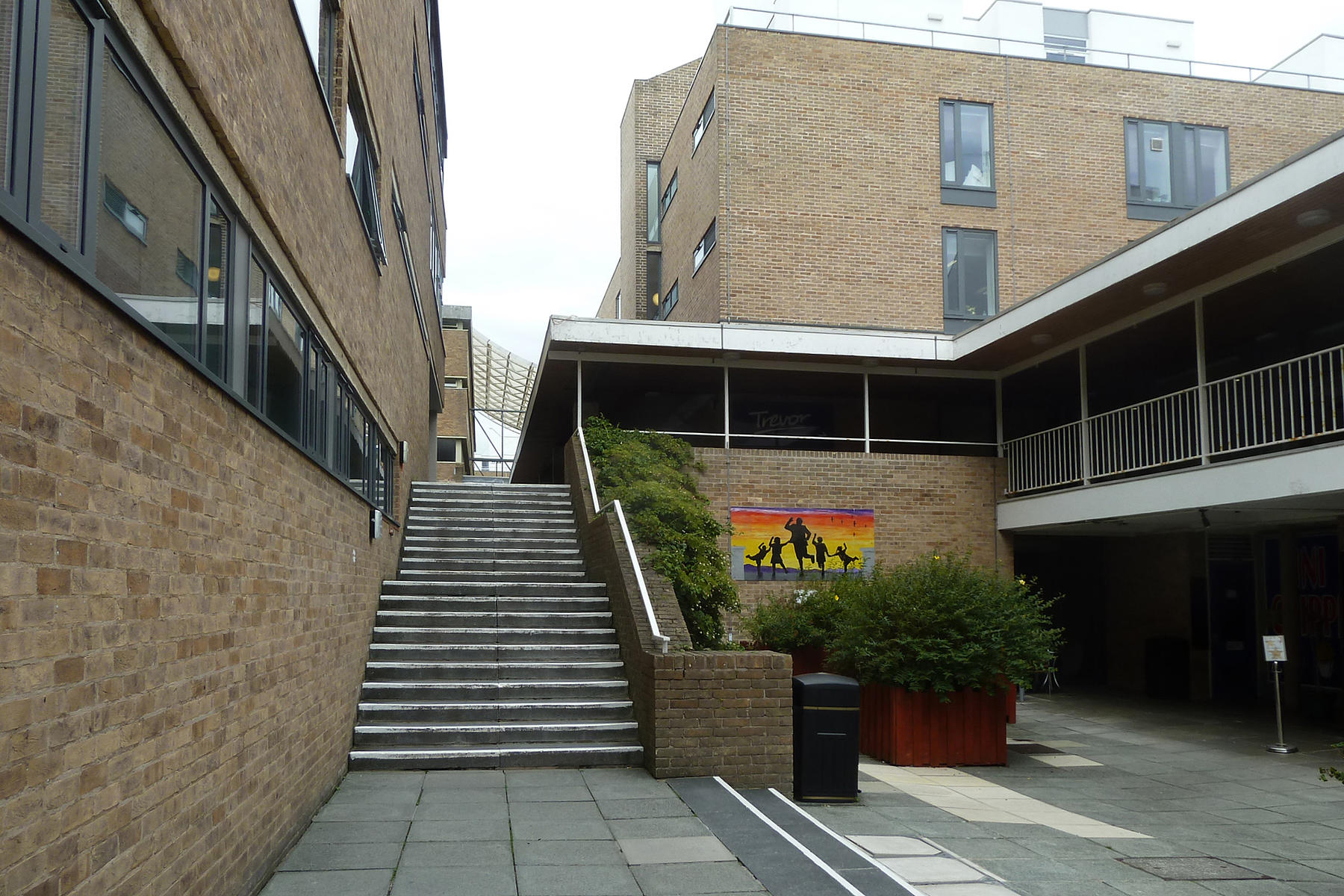
The Spine Redevelopment transformed the principal pedestrian route at the heart of Lancaster University's Bailrigg campus. Once characterised by low, dark canopies and a fragmented public realm, the Spine had gradually lost the clarity and ambition of the original 1960s vision.
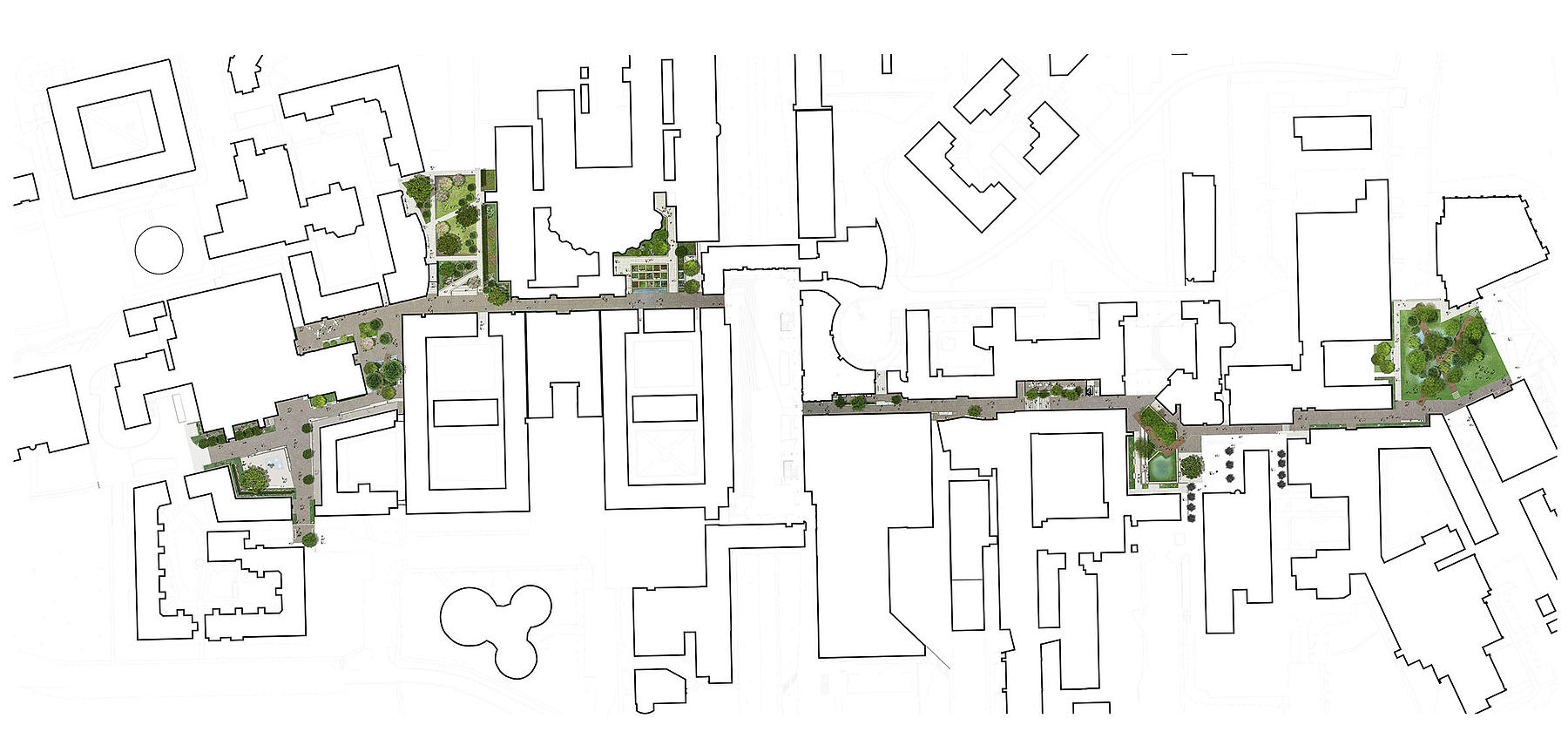
MICA's response was to reimagine the kilometre-long route as a necklace of connected spaces that bring together architecture, landscape and campus life. New outdoor rooms, gardens and social gathering spaces create opportunities for learning, study, performance, relaxation and everyday interaction, while a coherent public realm strategy improves navigation and strengthens the identity of the campus.
Delivered within a fully operational university, the project required careful phasing and close collaboration with stakeholders to ensure teaching, examinations, events and daily campus life could continue uninterrupted throughout construction.
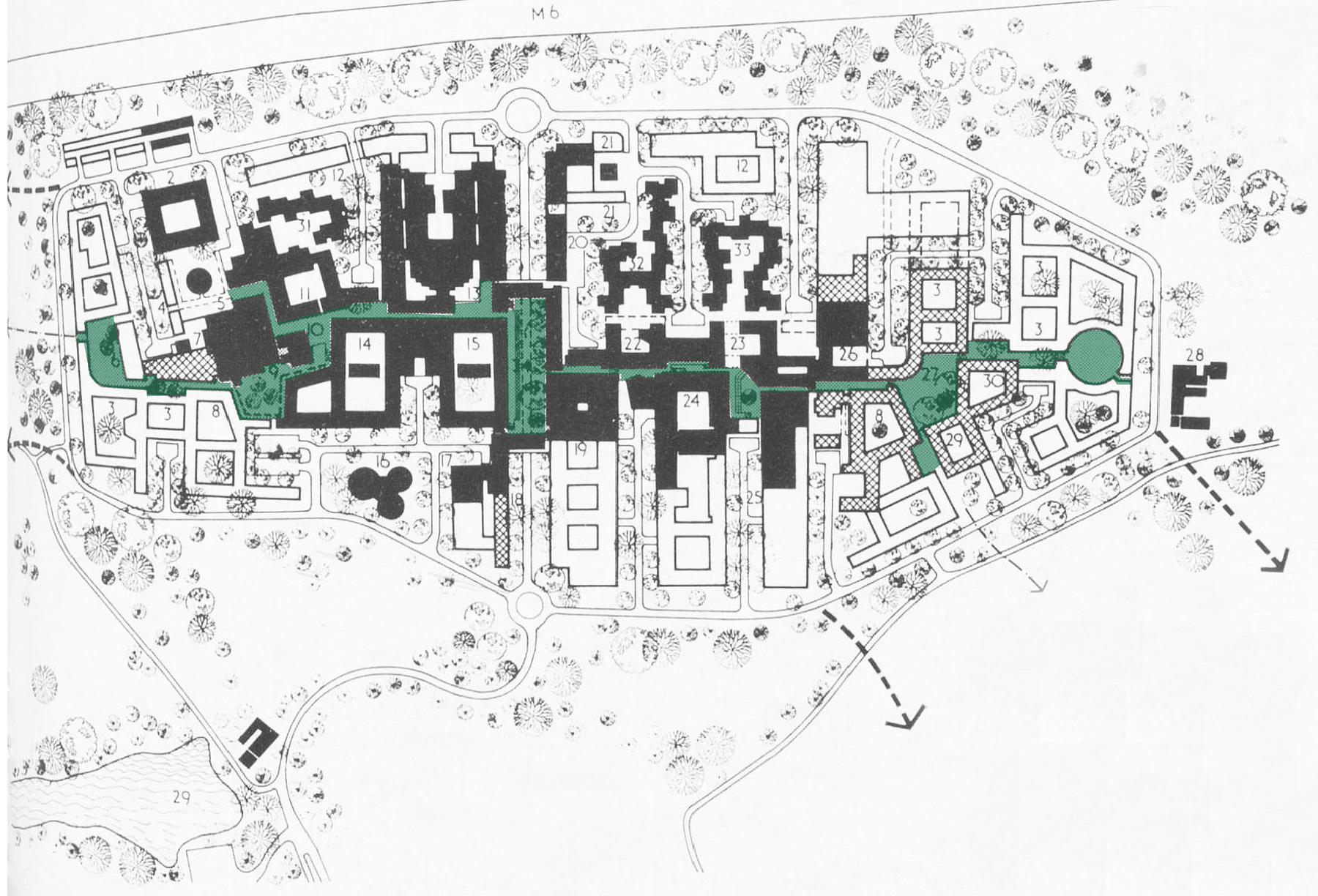


Heritage-Led Design & Adaptive Reuse
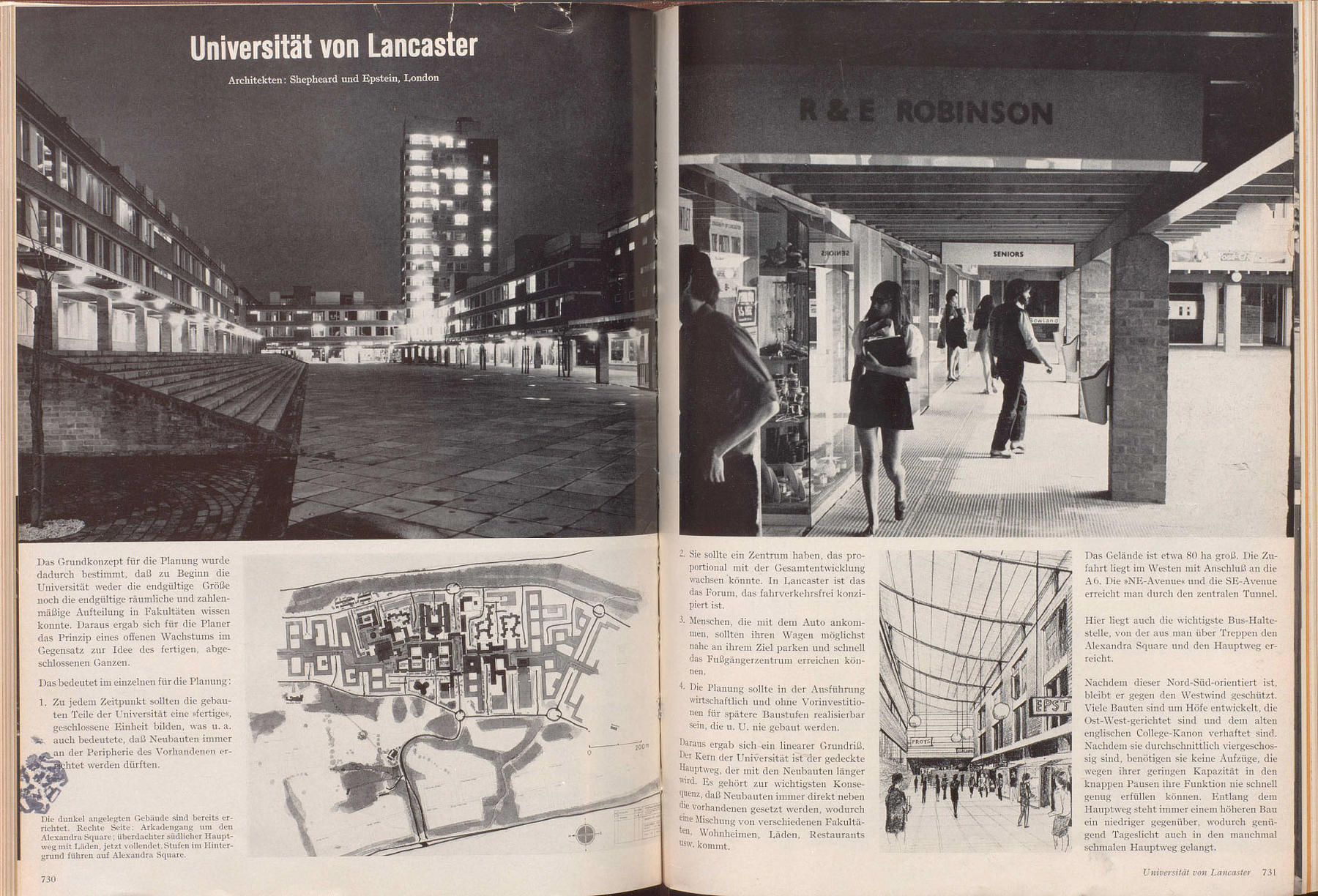
The project emerged from a detailed investigation into the history of the Bailrigg campus and the ambitions of its original 1964 masterplan. MICA sought not simply to replace a deteriorating piece of infrastructure, but to rediscover and reinterpret the founding ideas that shaped Lancaster University's distinctive campus environment.
Research into the evolution of the campus highlighted how successive additions had diluted the coherence of the original vision. The design therefore focused on restoring relationships between buildings, routes and landscape, establishing a stronger sense of place while creating a framework capable of supporting future growth.
Contemporary interventions were carefully integrated with existing structures wherever possible. This approach enabled established campus assets to be retained, adapted and enjoyed by new generations of students and staff, demonstrating how thoughtful reuse can extend the life of existing infrastructure while enhancing its relevance and performance. The project has since been recognised by the Department for Education as an exemplar of placemaking and sustainable campus design.
Community Engagement & Co-Design
Engagement with the university community was fundamental to the success of the project. MICA developed a comprehensive consultation programme that sought meaningful participation from students, academic staff, professional services teams and estate managers throughout every stage of the design process.
Early engagement was launched through a public exhibition at the University's Farmers' Market, where physical models, interactive mapping exercises and discussion boards encouraged users to share their experiences of the Spine. Students and staff identified key movement patterns, highlighted areas they actively avoided and revealed the spaces they valued most, providing valuable insight into how the campus was actually used. Concerns about dark, congested sections of the Spine informed the decision to open views, increase daylight and create more generous gathering spaces. Feedback consistently highlighted a desire for more greenery, richer biodiversity and greater opportunities for informal social interaction. Requests for improved wayfinding, outdoor activity spaces, event areas and edible planting also influenced the final design.
The consultation process continued throughout the project through workshops, exhibitions, online engagement and stakeholder reviews. At every RIBA stage, findings were consolidated into clear design reports that informed decision-making and helped build consensus across the university community. This collaborative approach ensured the finished scheme reflected the aspirations of its users as well as the strategic objectives of the University.


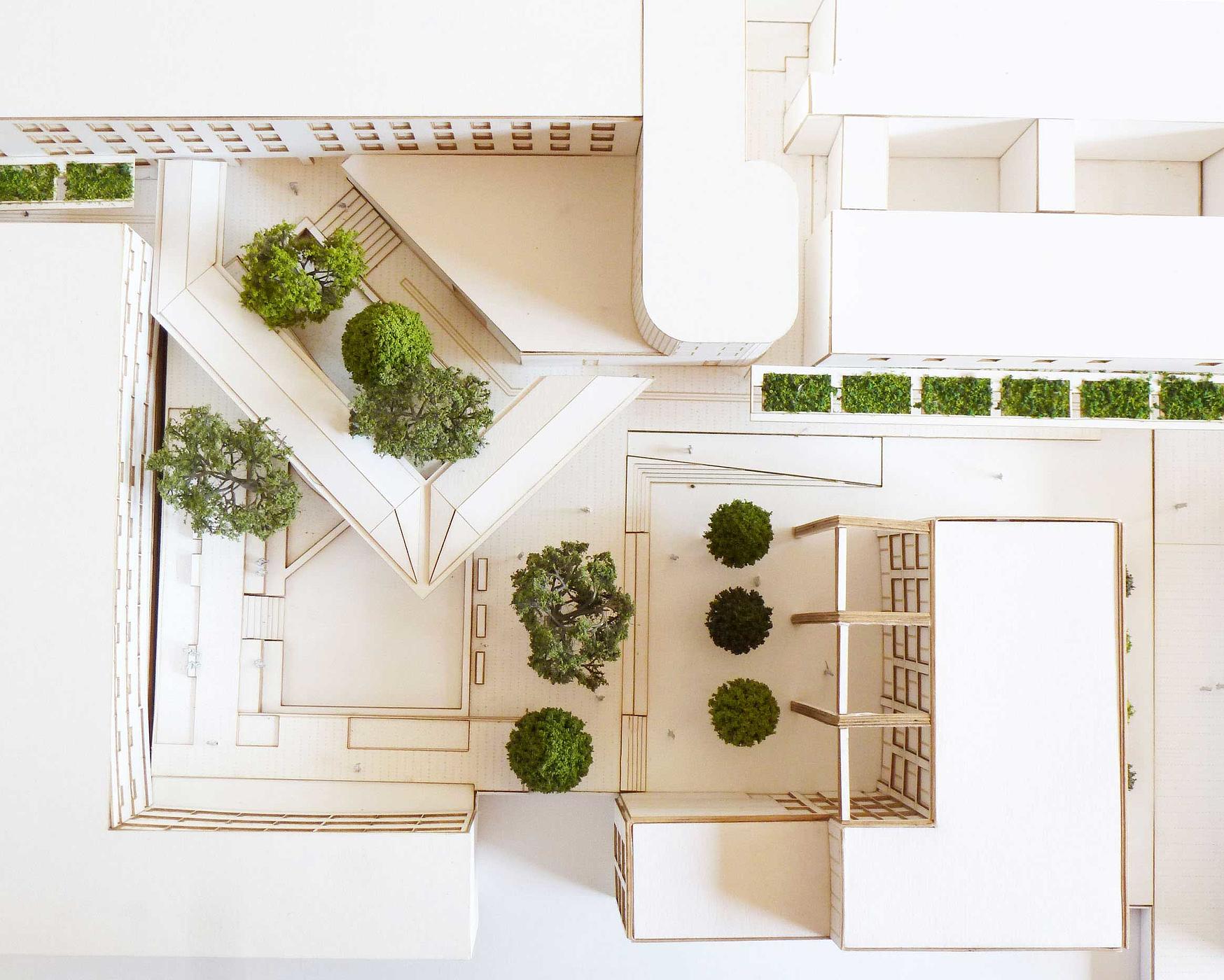

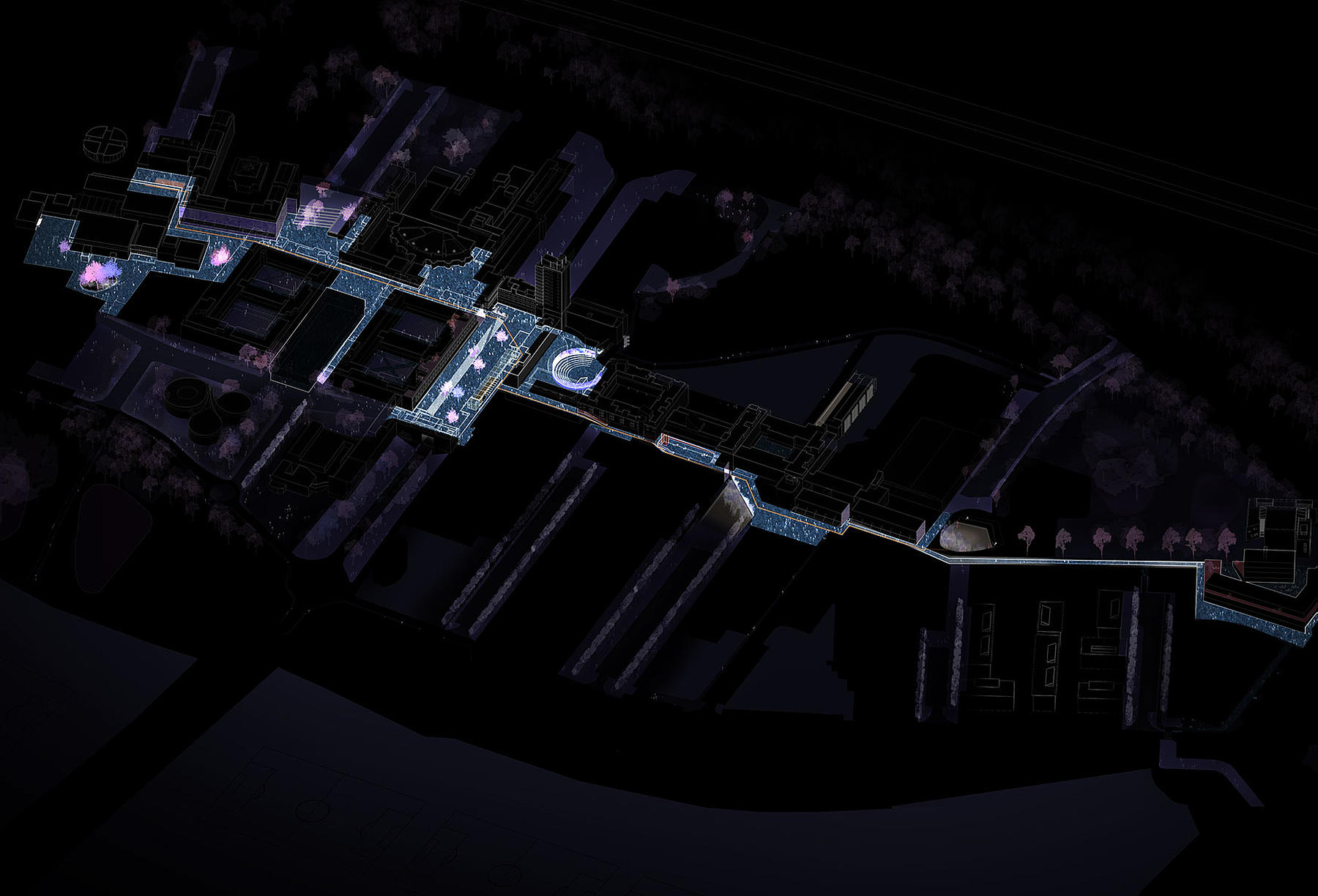
Design Strategy, Landscape & Planting
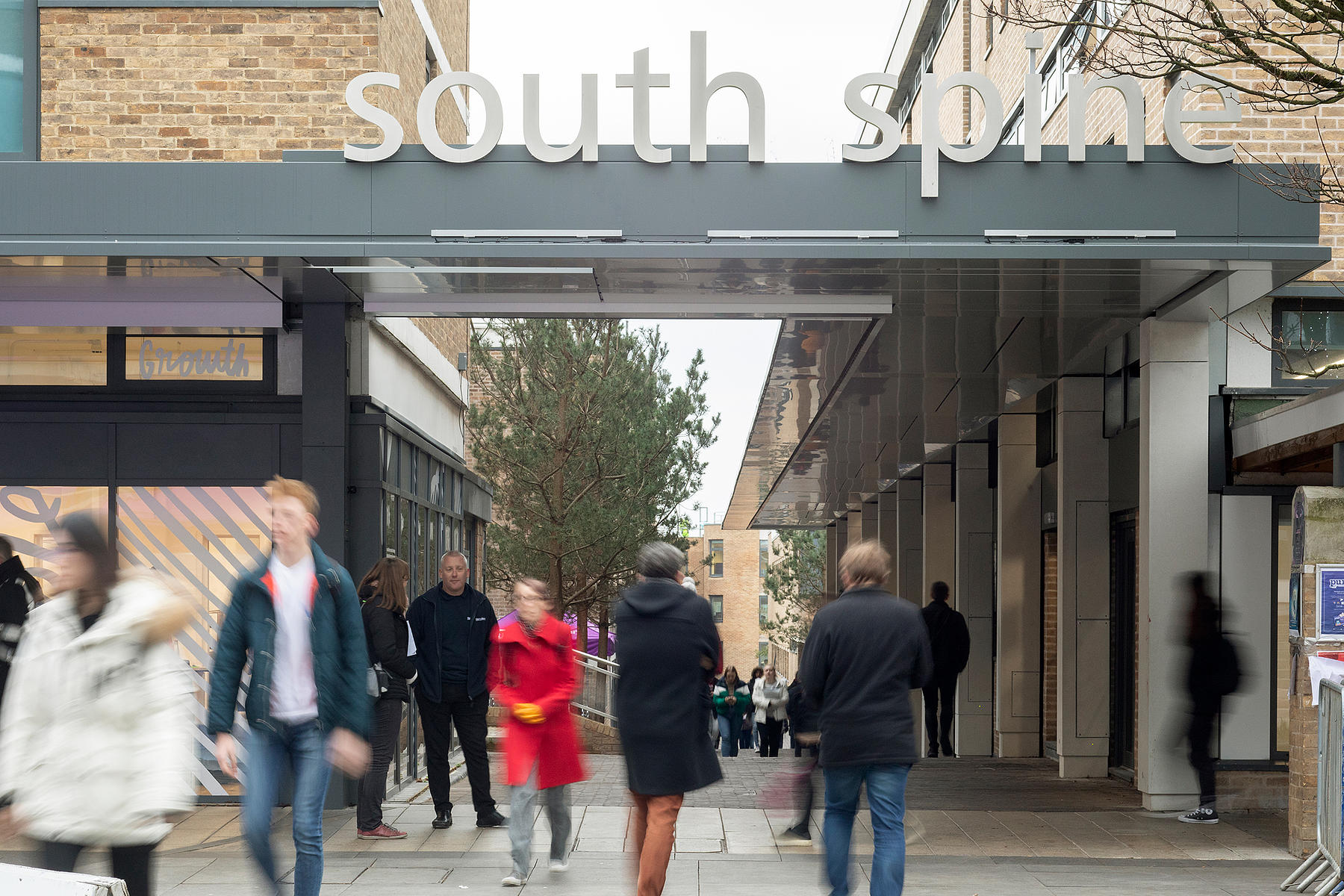
The integrated architectural and landscape concept was developed by MICA and Grant Associated. The resulting strategy redefines the 1km route as a sequence of characterful outdoor rooms that reconnect buildings with the public realm and create a richer experience of campus life. New diagonal relationships and visual links help stitch together colleges, faculties and landscape spaces, creating moments of discovery while improving legibility and orientation across the campus.
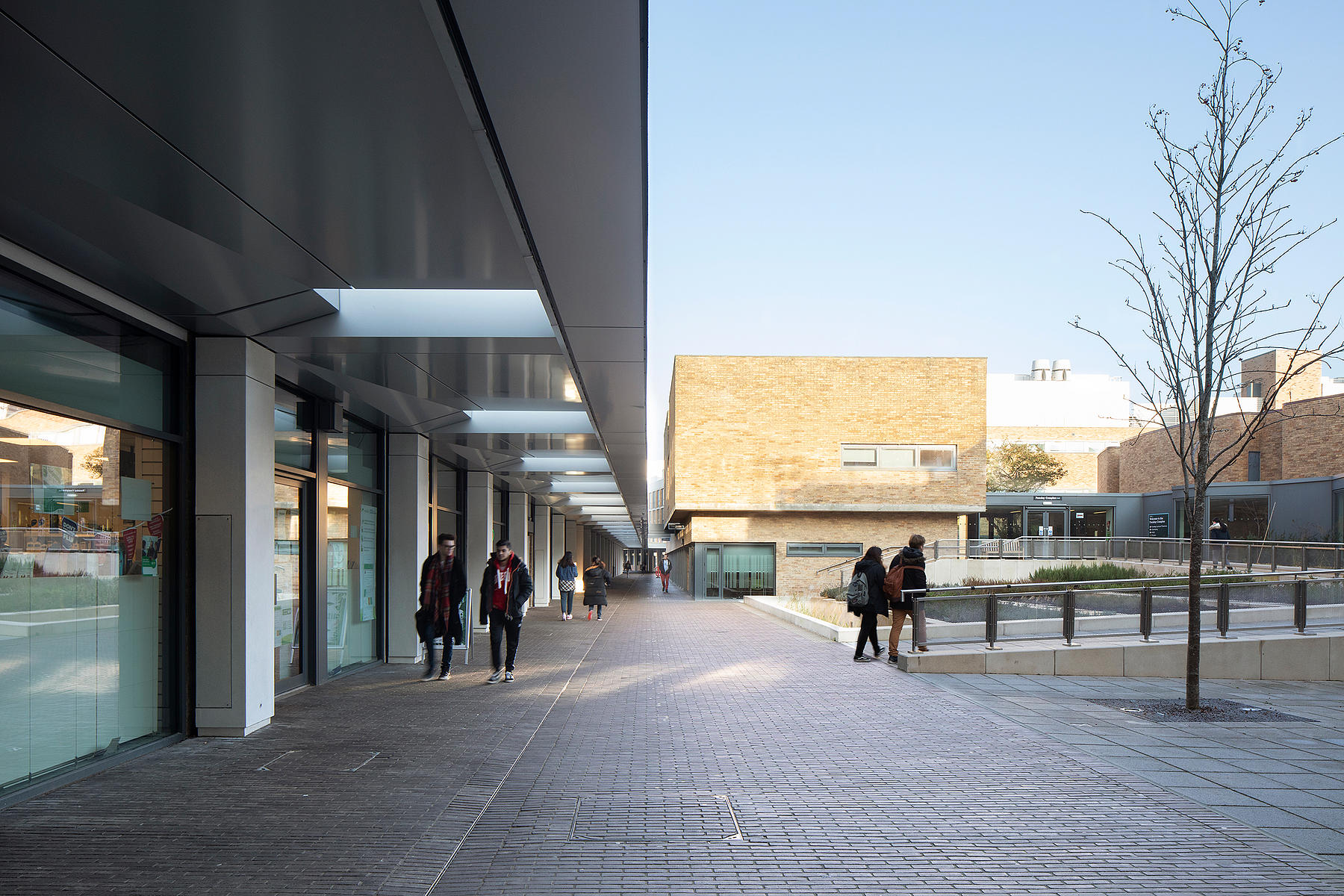
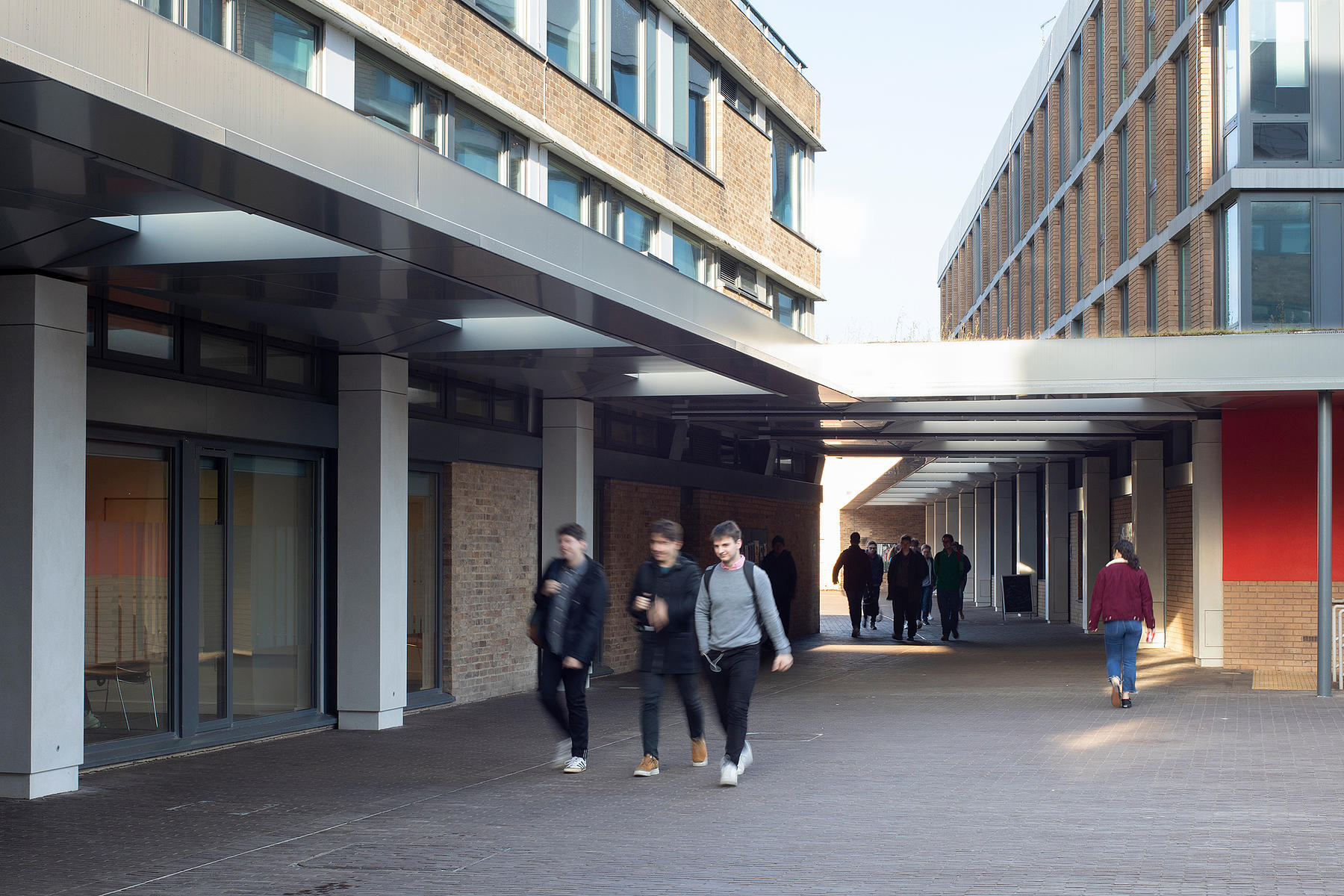
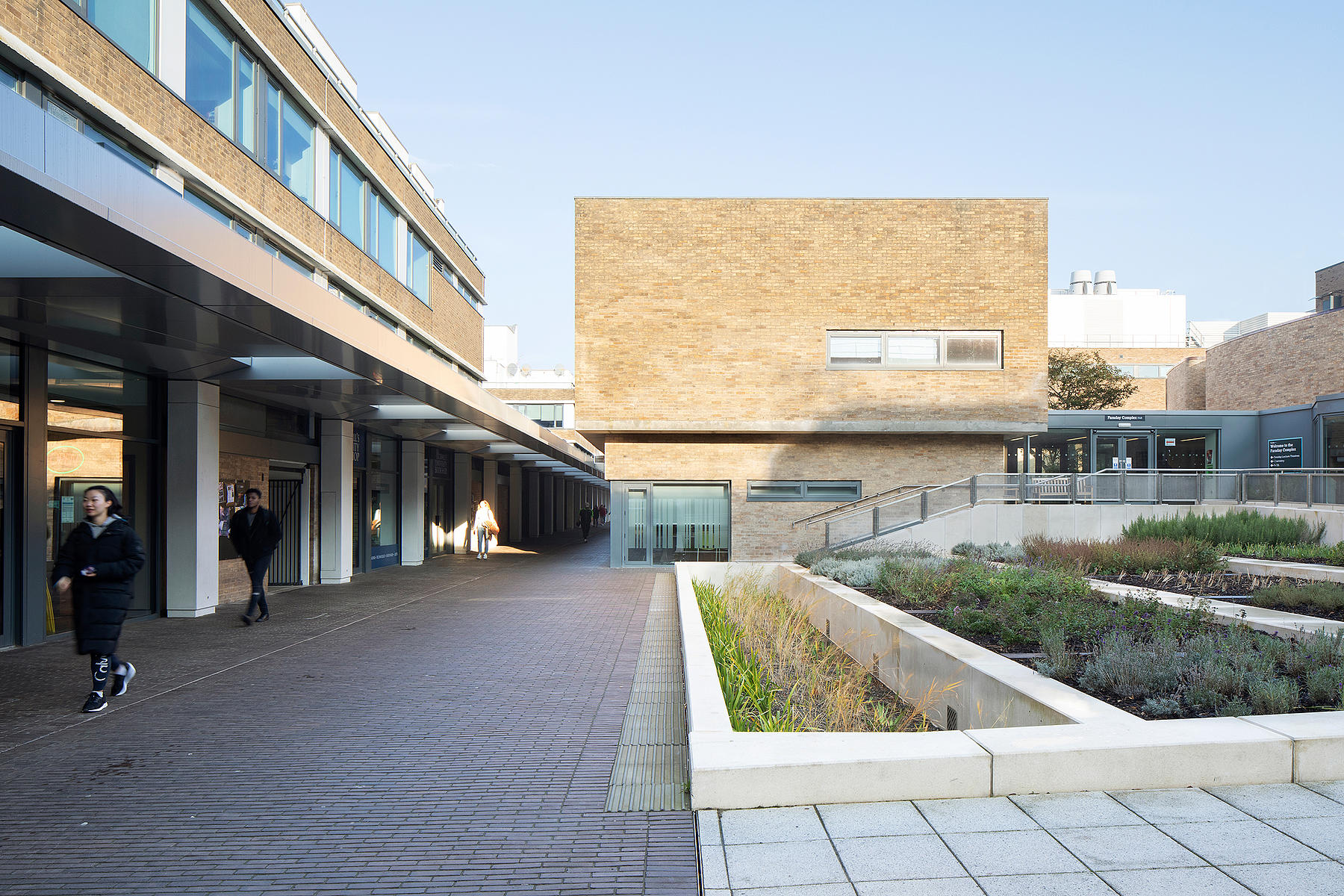
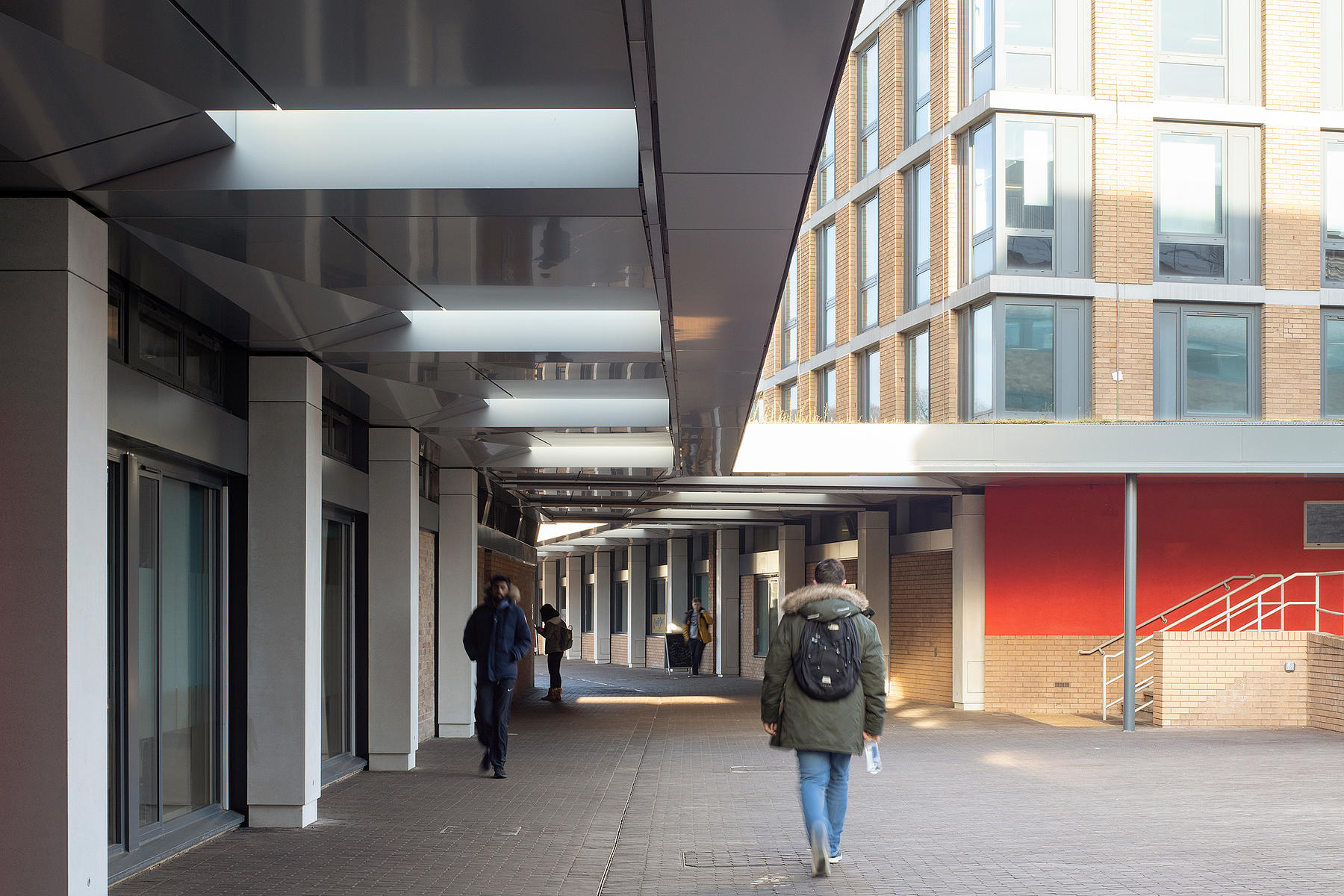
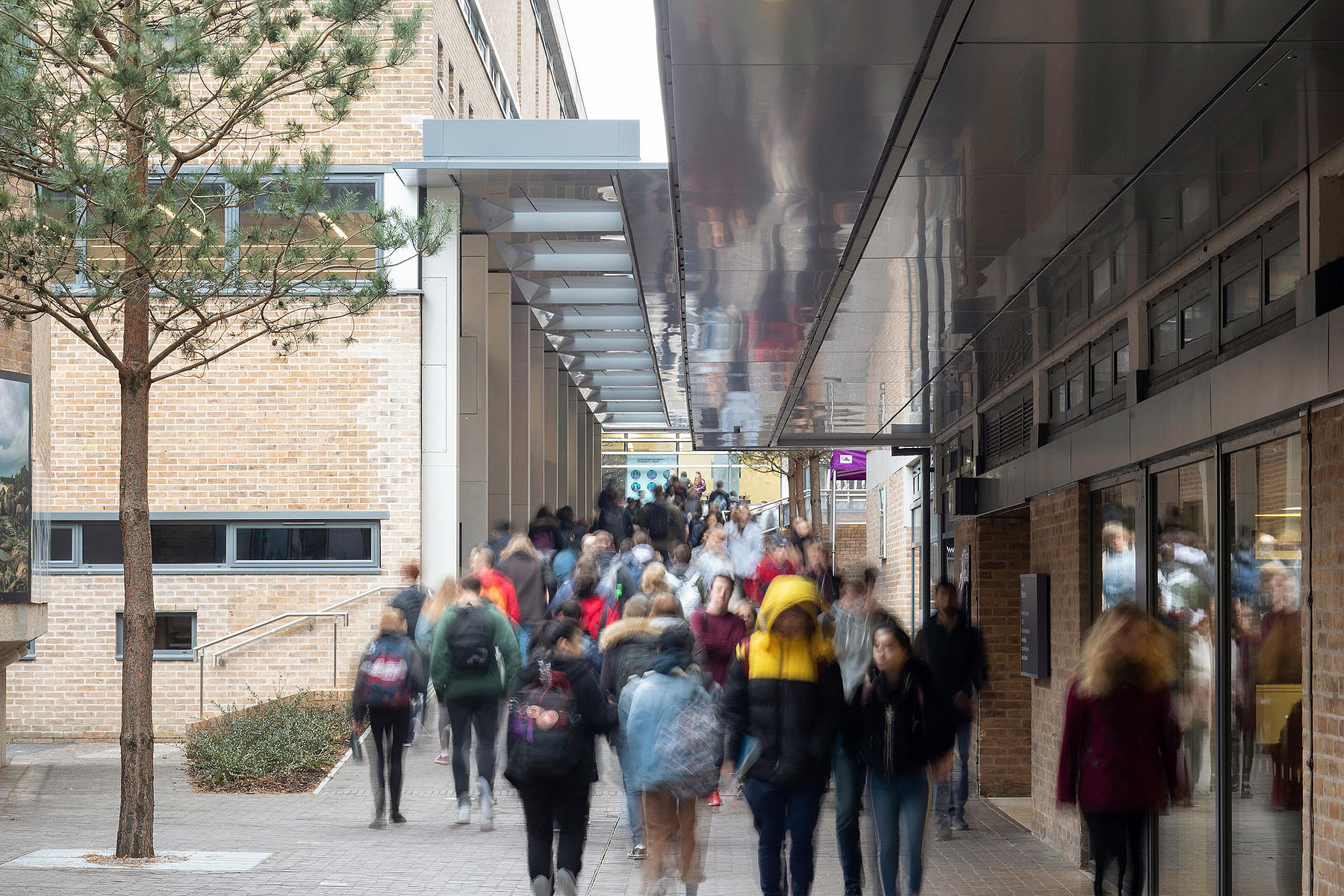
A new family of cantilevered canopies replaces the previous structures, opening up long views, increasing natural daylight and creating a stronger connection to the landscape and sky. Their design provides shelter while avoiding the enclosed and oppressive character of the original Spine.
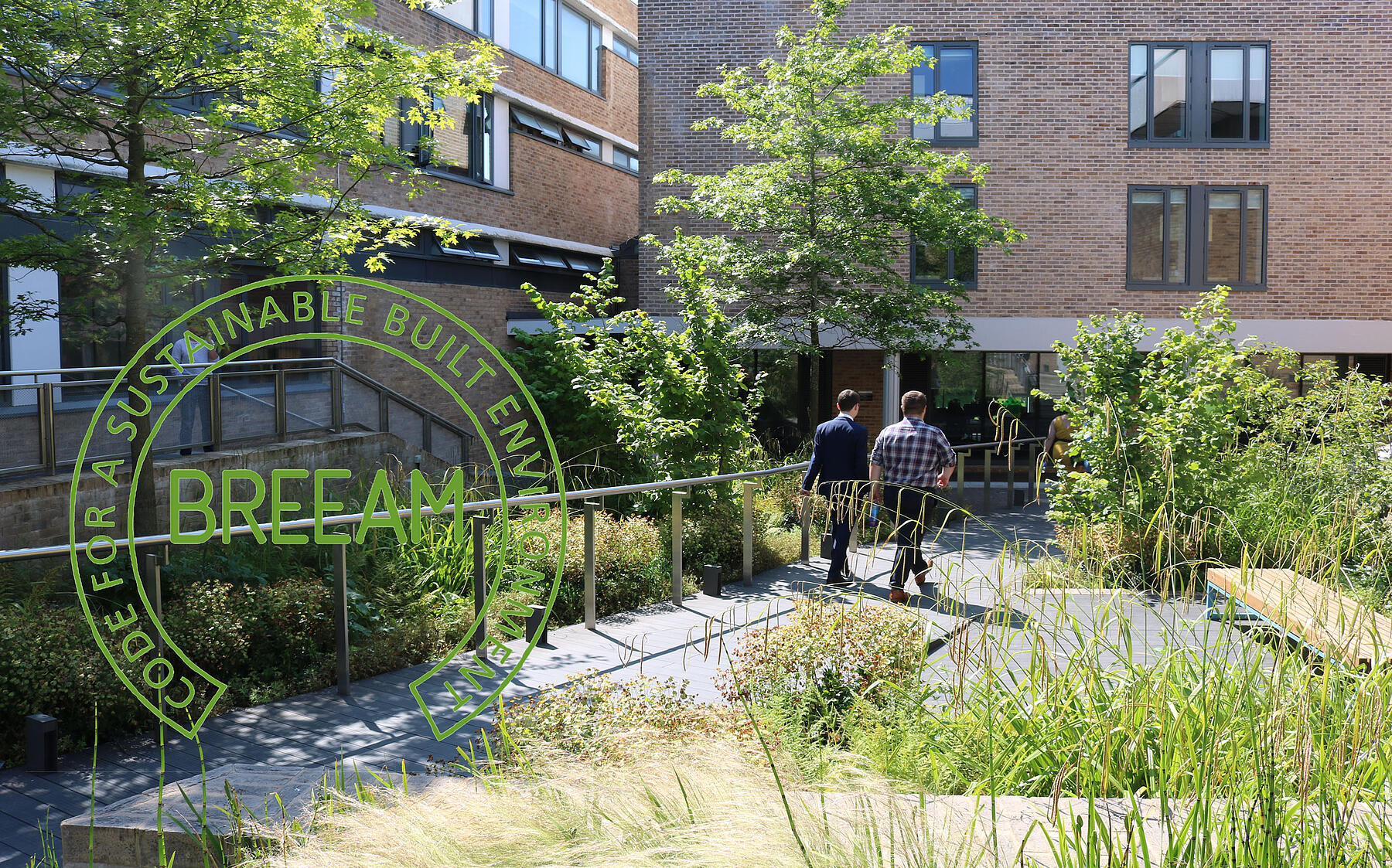
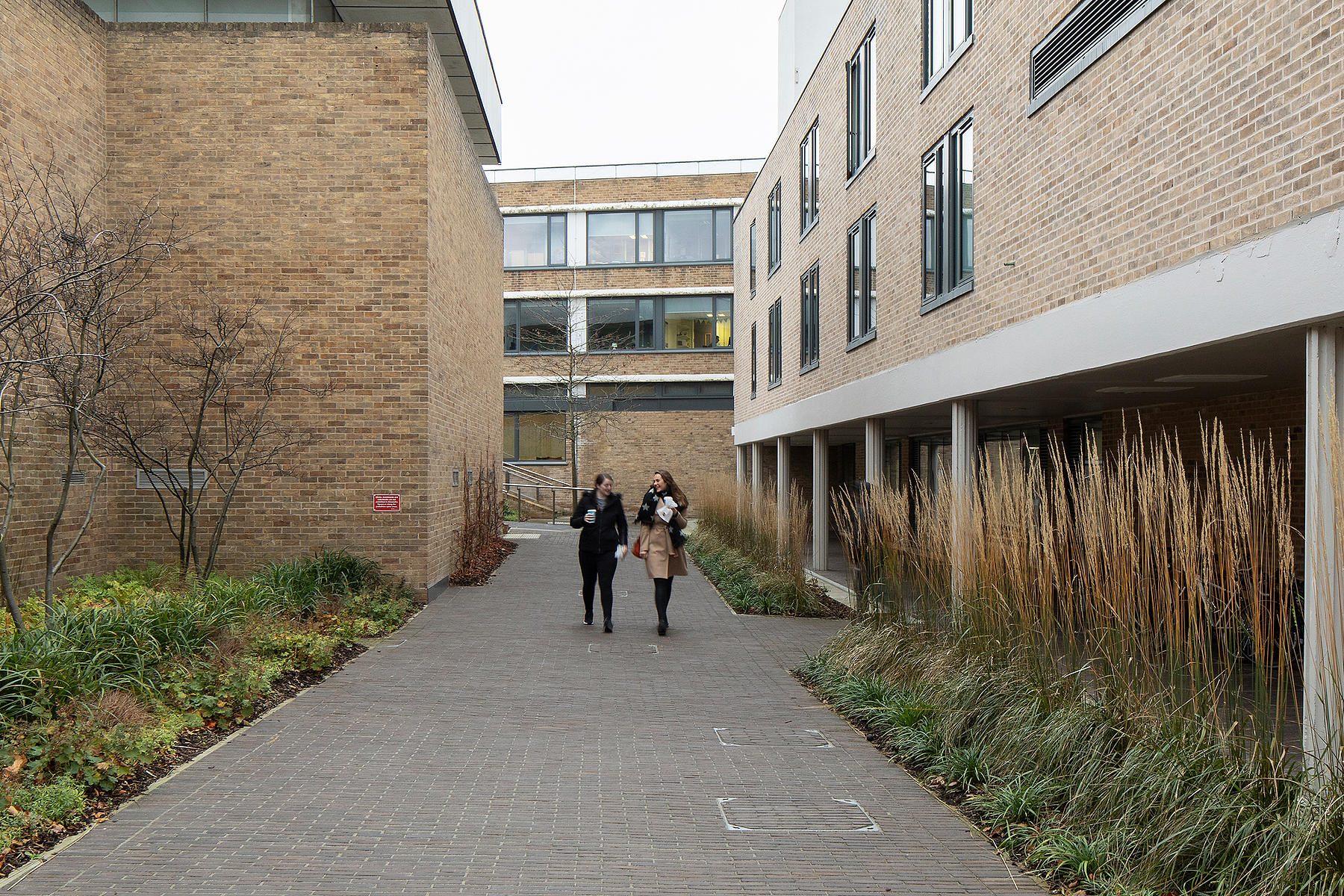
Landscape was central to the transformation. Working with the campus's wider ecological context, the design introduces diverse gardens, woodland-inspired planting, productive landscapes and seasonal planting that enrich the student experience while supporting biodiversity. The Spine is no longer simply a route between destinations; it has become a network of places for gathering, studying, socialising and outdoor learning

Key Character Areas
A series of distinct landscape destinations were created along the Spine, each responding to its surrounding context while contributing to a coherent campus-wide identity. Together, these character areas have transformed the Spine from a circulation route into a sequence of memorable places for learning, gathering, wellbeing and community life.
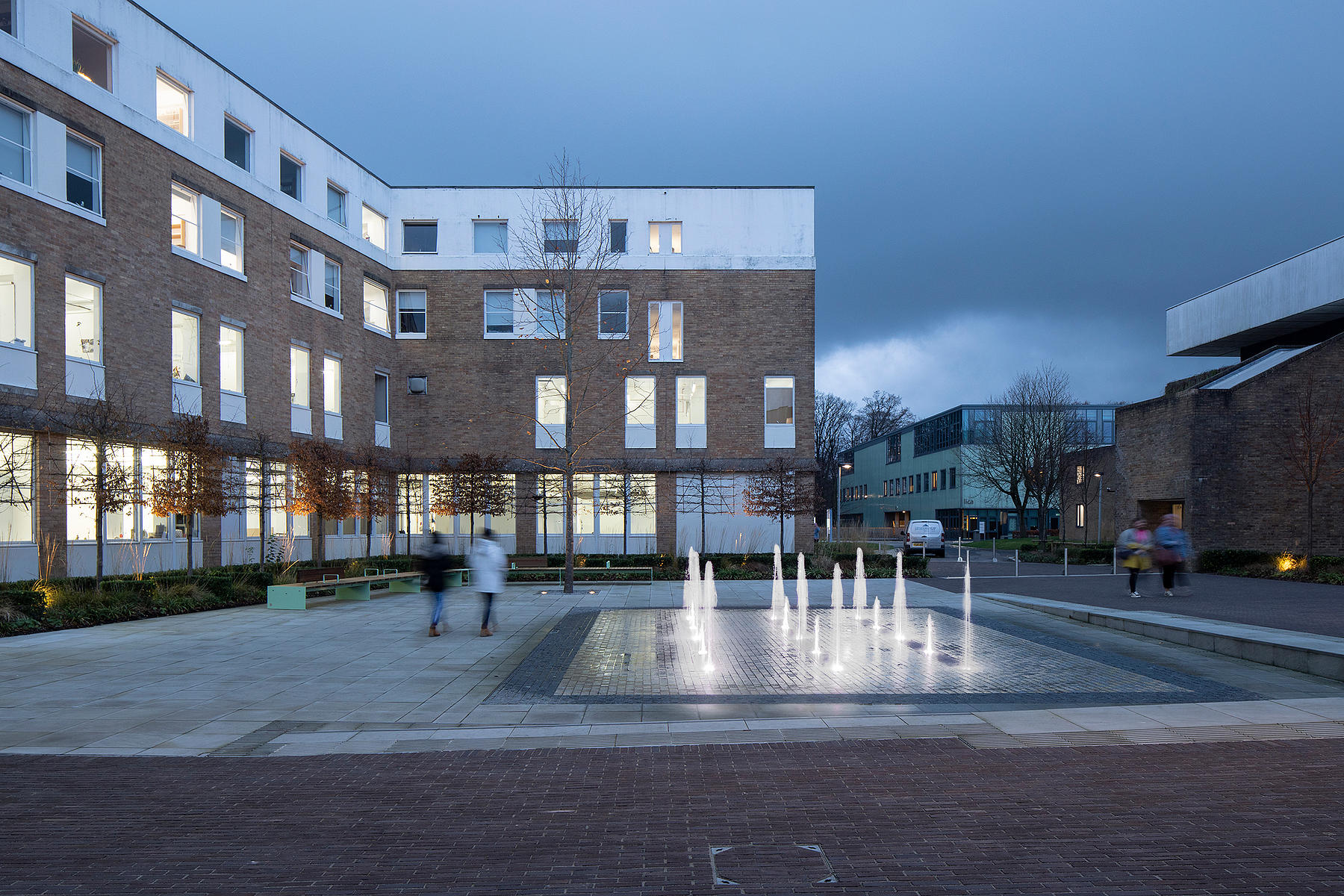
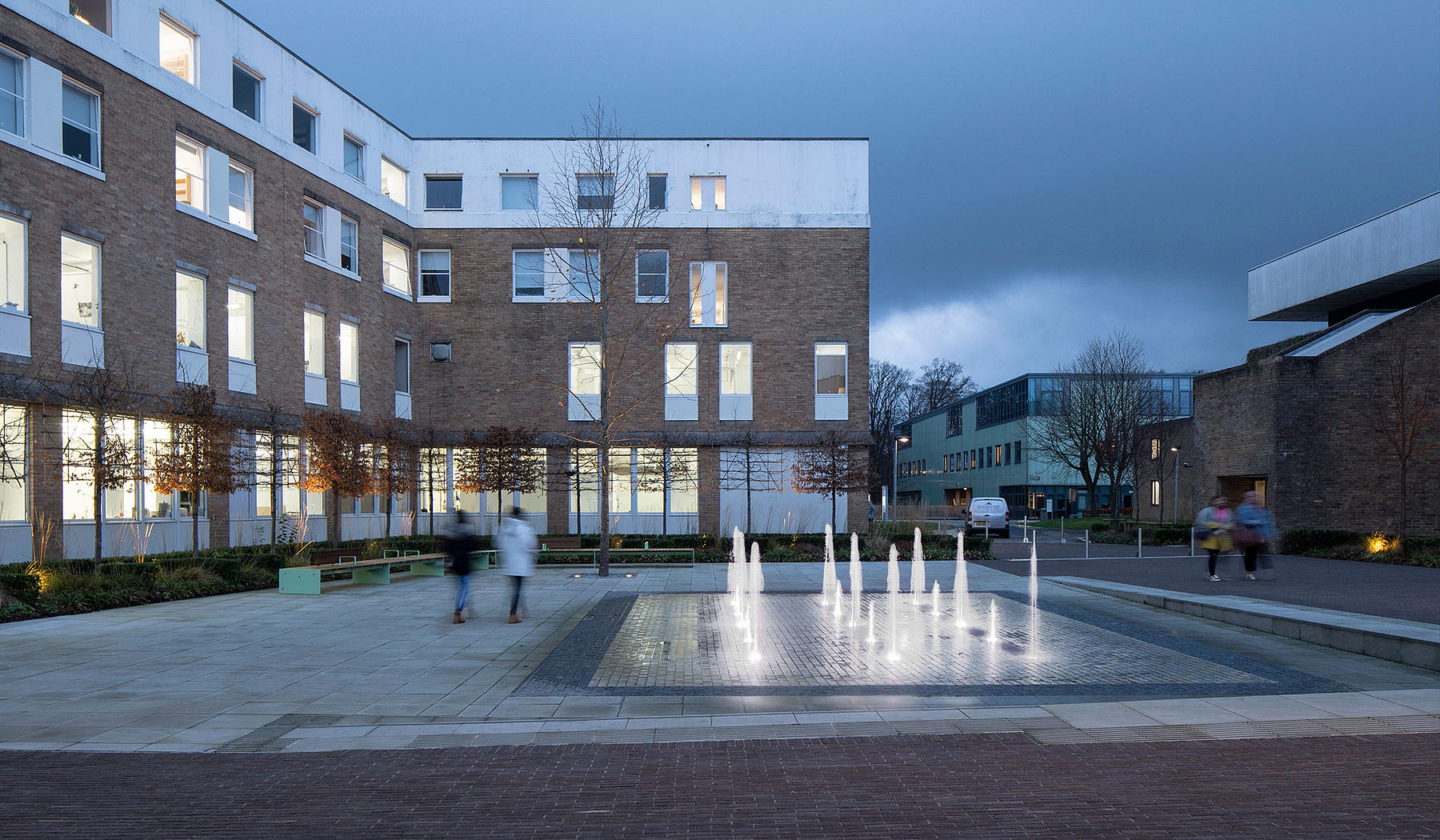
Great Hall Square: A New Civic Gateway
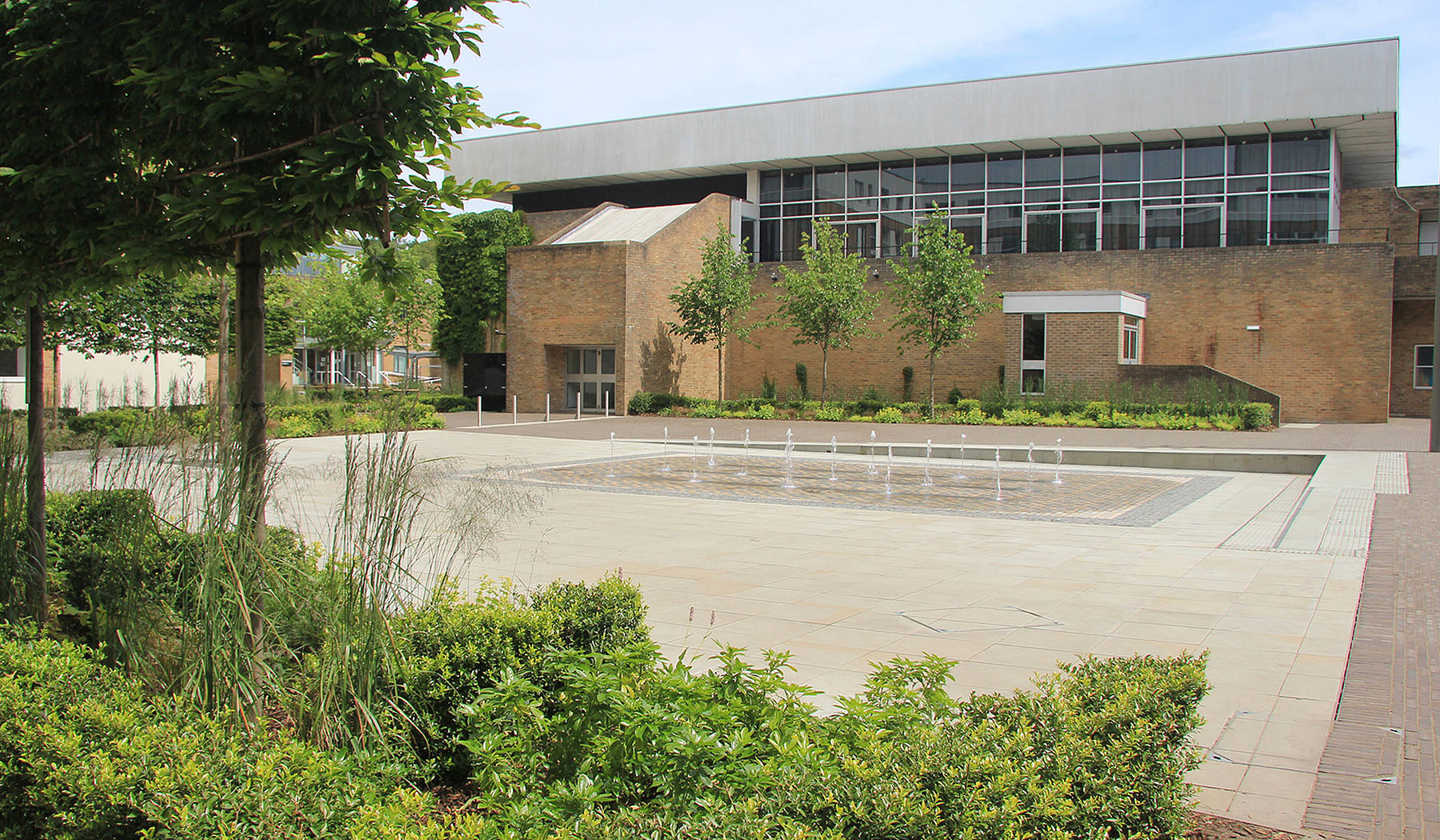
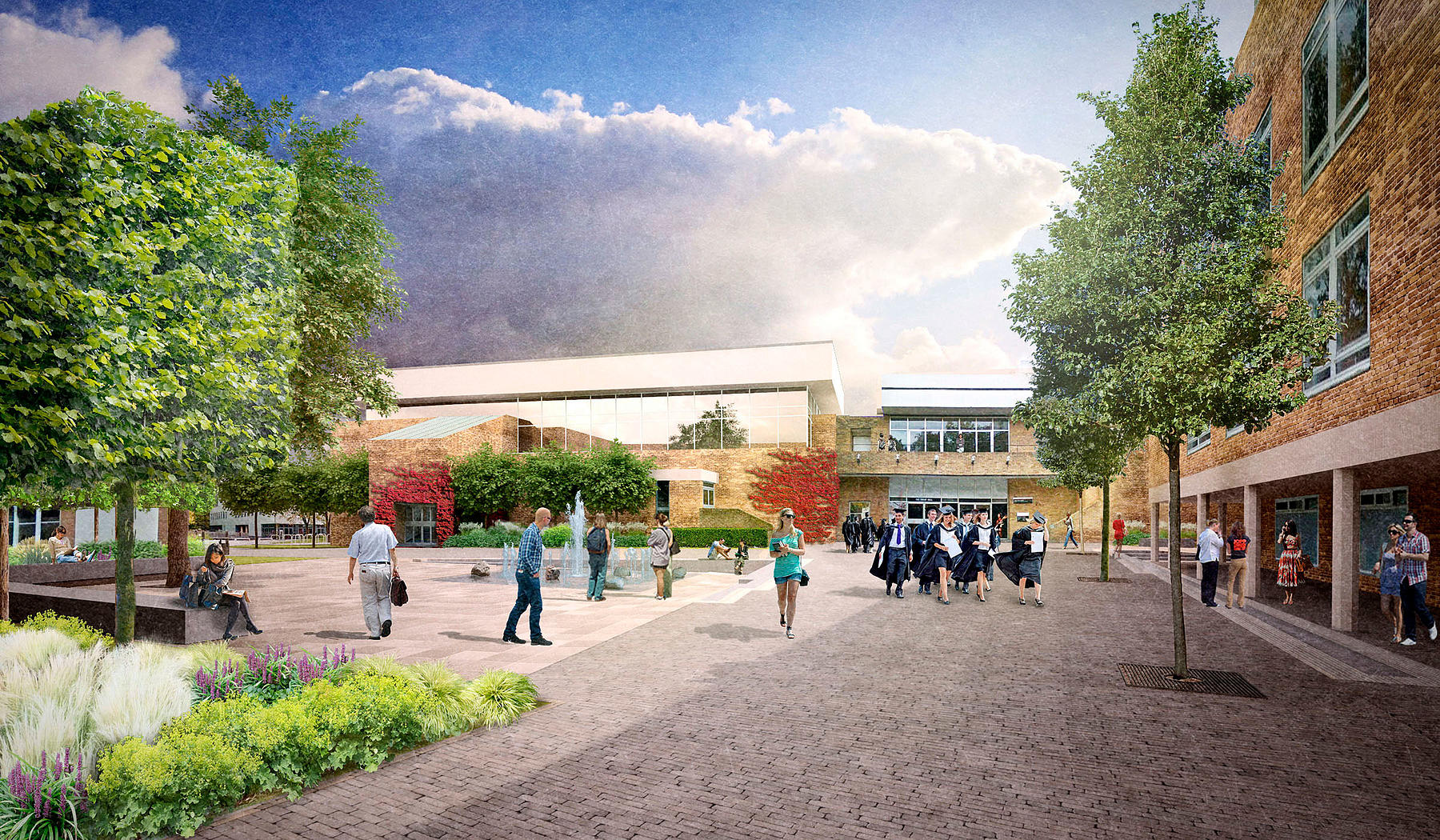
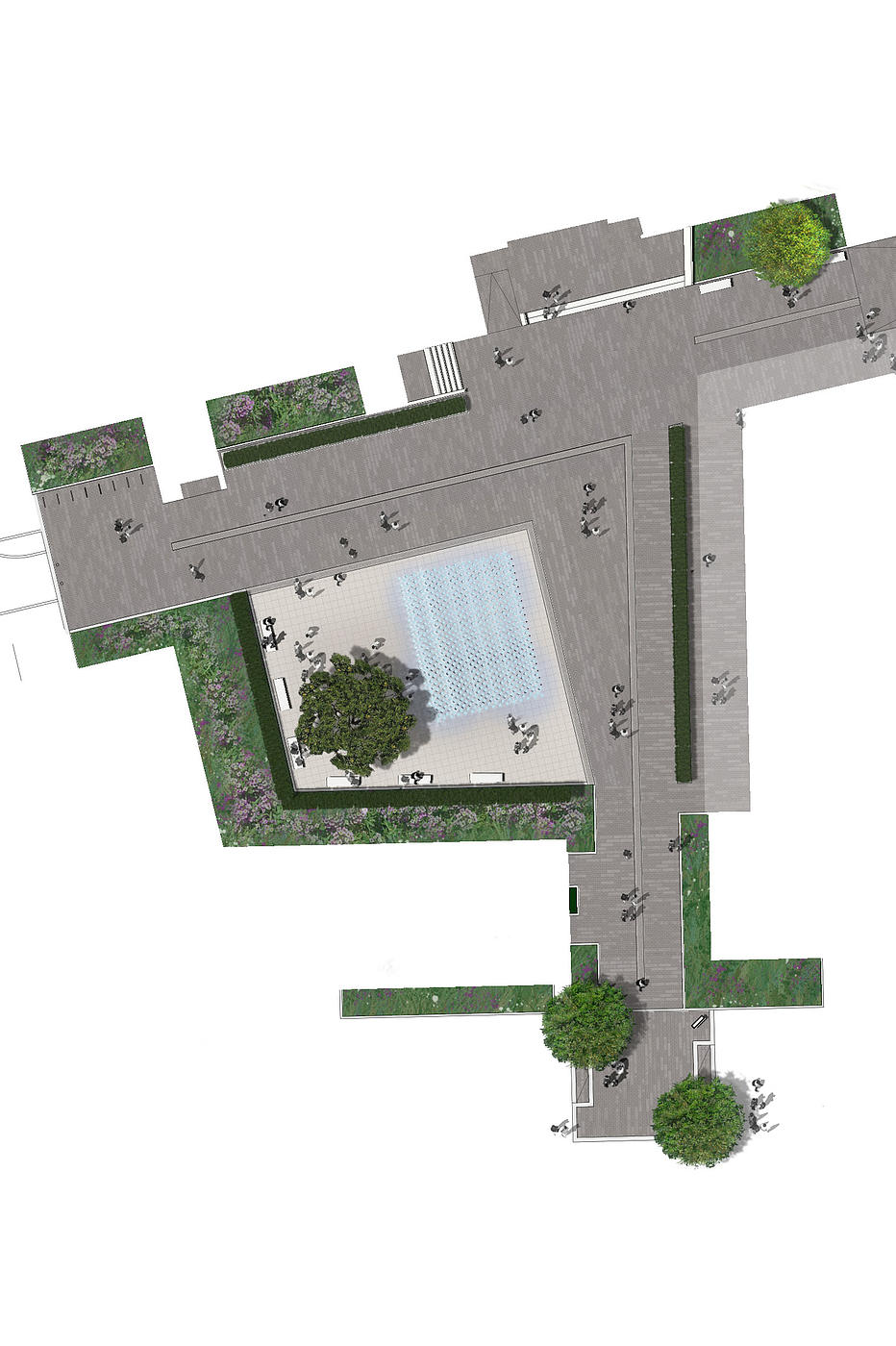
Great Hall Square has become the ceremonial heart of Lancaster University and a welcoming gateway to the northern end of the Spine. The transformation introduced a generous civic piazza defined by high-quality paving, integrated seating and a central water feature that brings movement and animation to the space. Careful regrading of levels improved accessibility and elegant tree planting and ornamental planting beds soften the surrounding architecture and provide seasonal interest throughout the year.

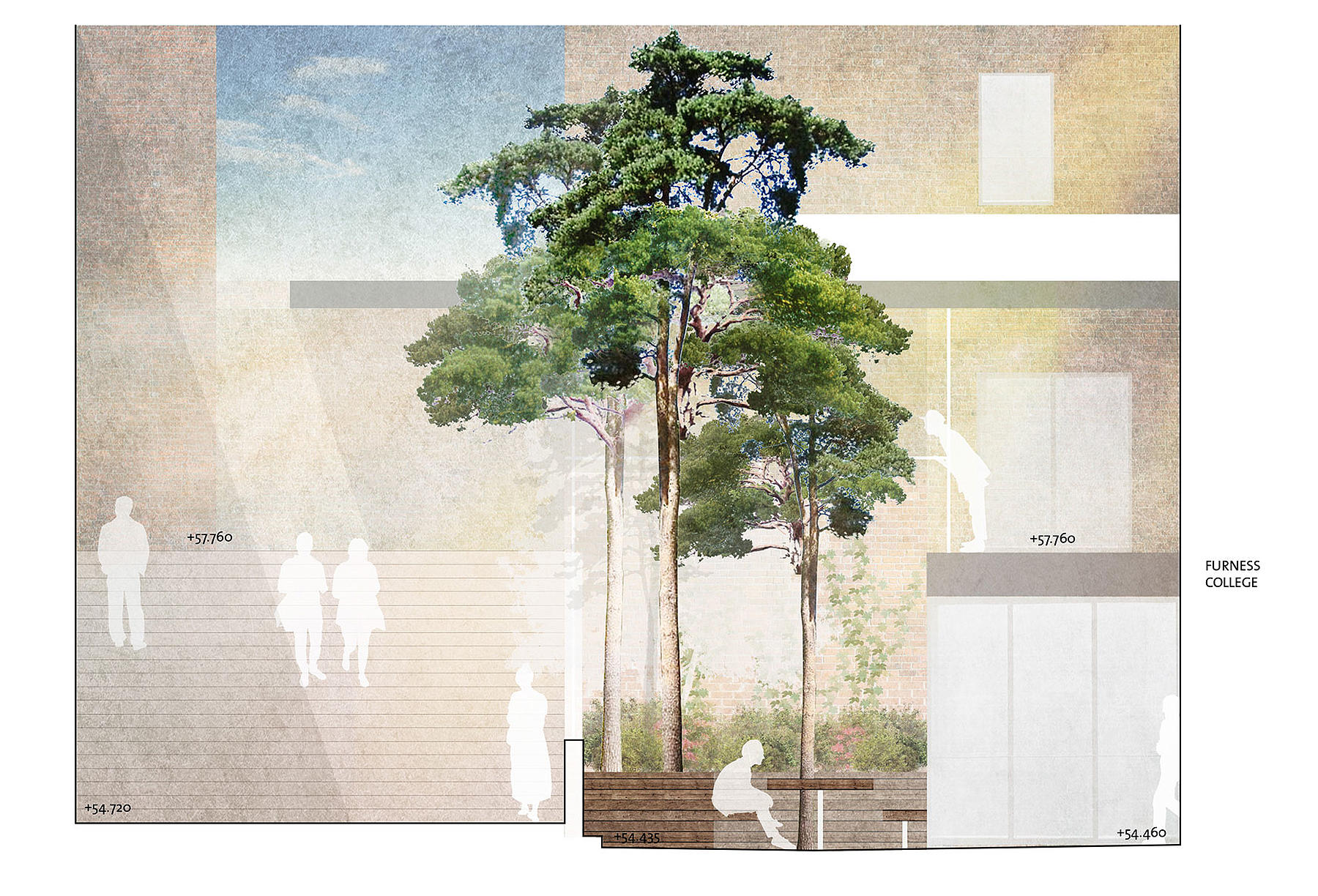
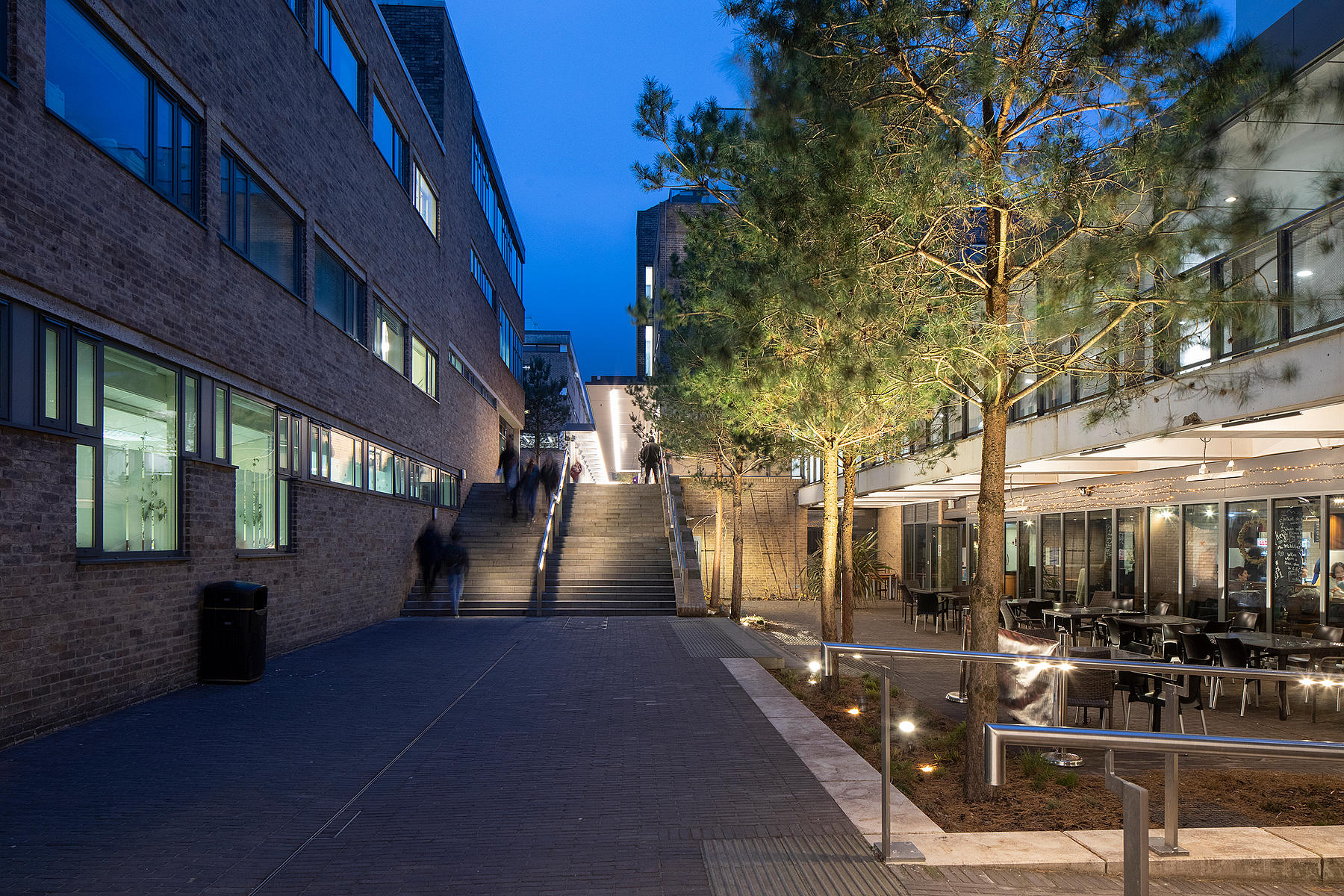
Furness Court to Library Court: The Pinetum
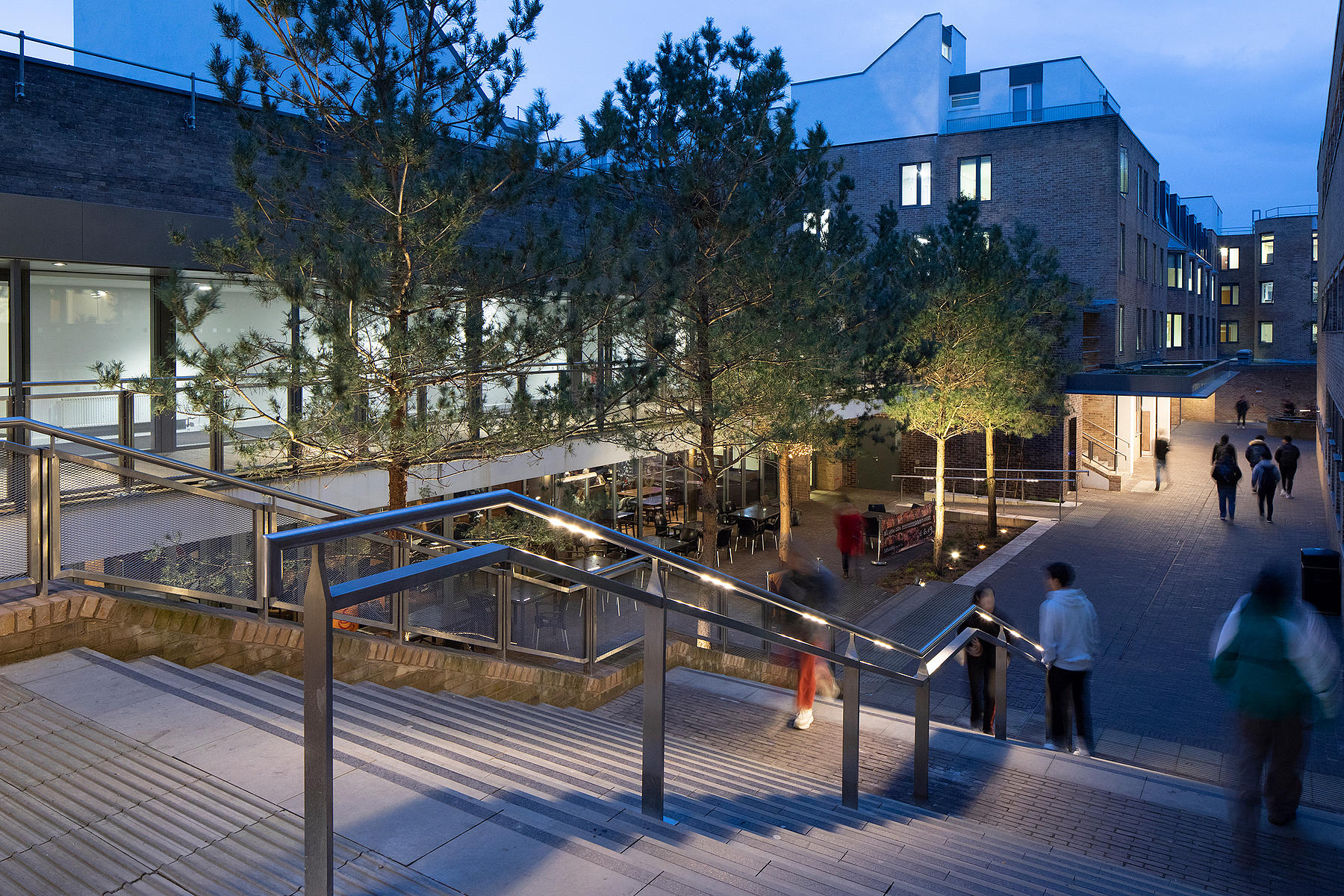
The southern section of the Spine has been transformed through the creation of a distinctive Pinetum inspired by the landscapes and forests of the Lake District.
Beneath the canopy of trees, a tapestry of heather planting reflects the character of their natural habitats and strengthens the ecological value of the landscape. The reconfigured courtyards have significantly improved the setting of adjacent cafés and food outlets, creating more attractive and usable spaces for social interaction, outdoor study and informal gathering.
Entrances and threshold spaces have been opened up through new planting, seating, signage and improved sightlines, and accessibility upgrades creating clearer connections between buildings and landscape.
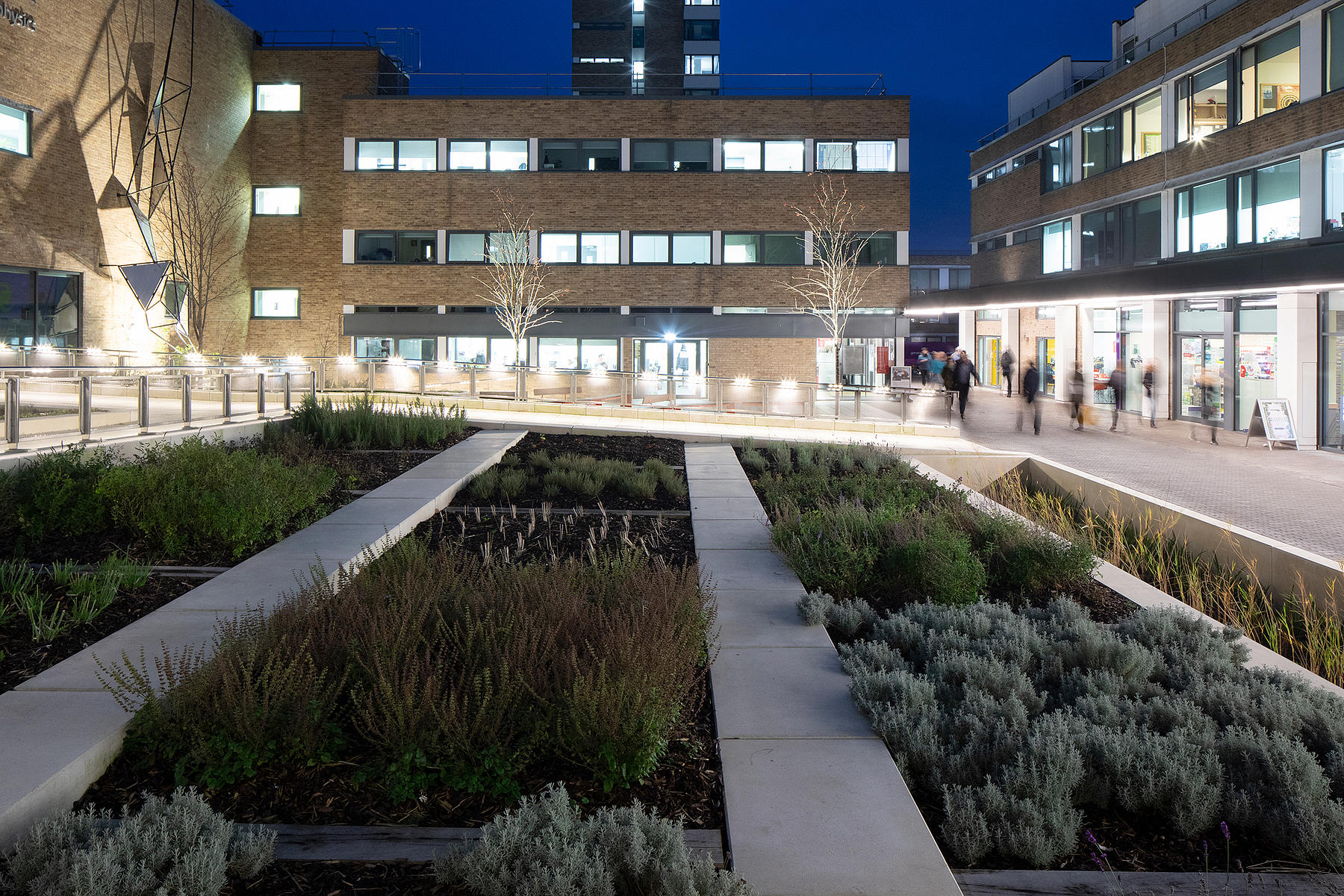
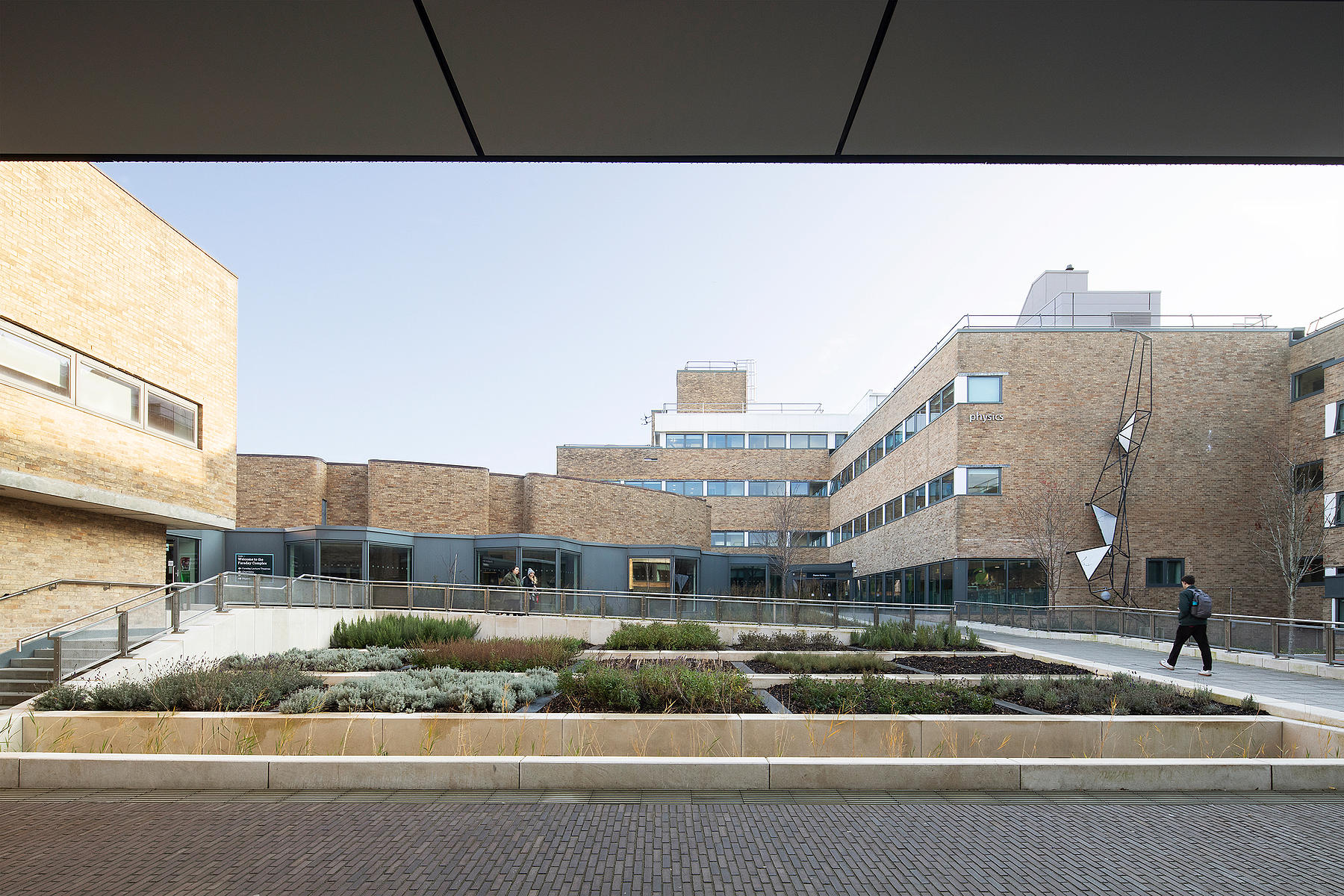
Physics Square: Productive Landscape and Living Learning Environment
Physics Square has been reimagined as a rich sensory environment where planting becomes both an ecological asset and an educational resource.
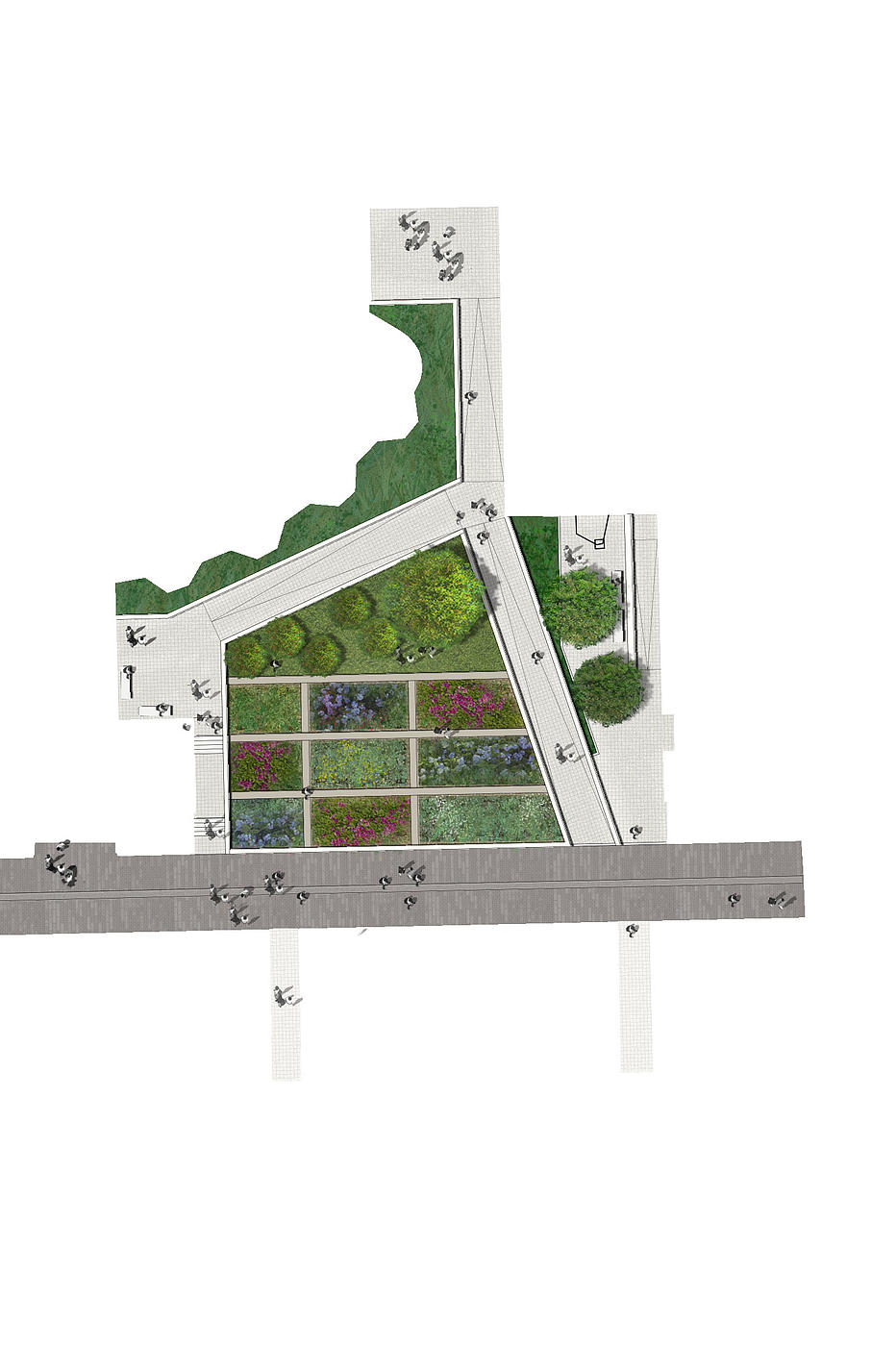
Formal terraced gardens are planted with a diverse mix of herbs, edible species and perennial planting, creating a botanical landscape rich in texture, colour and fragrance. Species including lavender, rosemary, sage and fennel contribute to a productive garden environment that supports both teaching and everyday engagement with nature.
At the foot of the terraces, a planted water feature forms part of the wider Sustainable Urban Drainage System (SuDS), demonstrating how environmental infrastructure can be integrated seamlessly into the public realm.

Sustainability
Sustainability was embedded within the project from the earliest stages and informed every aspect of the design, from strategic planning and material selection through to biodiversity and infrastructure performance.
The Spine became one of the UK's pioneering projects within the inaugural BREEAM Infrastructure pilot scheme, helping shape future assessment methodologies through direct collaboration with BRE. The project subsequently became the first scheme to complete post-construction certification under the pilot framework, establishing an important benchmark for sustainable public realm infrastructure.
Working within an existing campus environment, MICA prioritised reuse, adaptability and longevity. Robust, low-maintenance materials were selected to support long-term performance, while more than 70% of permanent materials were responsibly sourced through recognised certification schemes.
Sustainable Urban Drainage Systems (SuDS) formed a key component of the environmental strategy. Surface water management was integrated into the landscape through enhanced drainage infrastructure and planting, creating a more resilient and climate-responsive environment.
The landscape strategy delivered substantial biodiversity benefits, implementing the majority of ecological recommendations and significantly increasing planting diversity across the campus.
Team
MICA: Lead and Architecture
Grant Associates: Landscape
Eckersley O’Callaghan: Structural Engineer
Mott MacDonald: Service Engineering