Queen's & Stanhope Girls' Boarding Houses, Stowe School
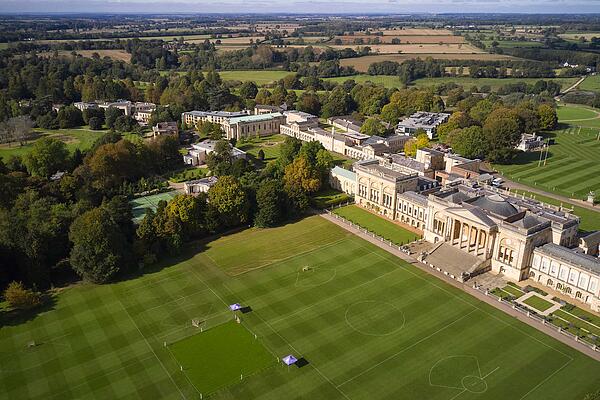
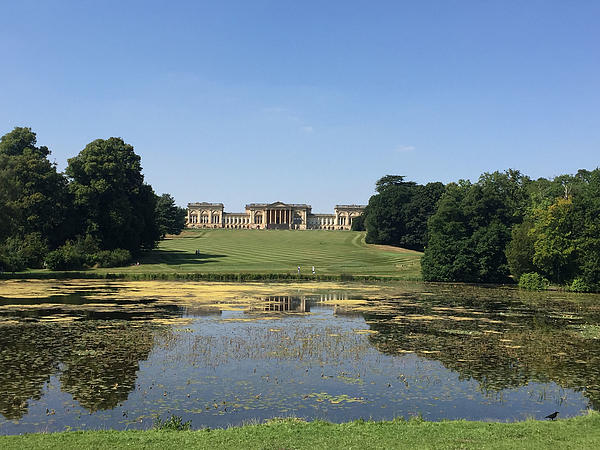
The School site incorporates Stowe House and its renowned landscaped gardens which accommodate the largest concentration of Grade I listed buildings in England and reflect the history of landscape design in England with significant contributions from Vanbrugh, Bridgeman, Kent and “Capability” Brown.Client
Stowe School
Location
Stowe, UK
Size
Phase 1 1,925m2 / Phase 2 1,310 m2
Value
£10m
A Lasting Partnership with Stowe School
The Queen's and Stanhope Girls' Boarding Houses marked the beginning of MICA's longstanding relationship with Stowe School and established the practice's reputation for designing contemporary educational environments within nationally significant heritage settings. Over the past twenty-five years this partnership has grown into a wide-ranging programme of architecture, conservation, landscape restoration and estate masterplanning across one of Britain's most remarkable cultural landscapes, helping to shape the continued evolution of Stowe as both a world-class school and an internationally important heritage estate.
Contemporary Architecture in an Exceptional Heritage Setting
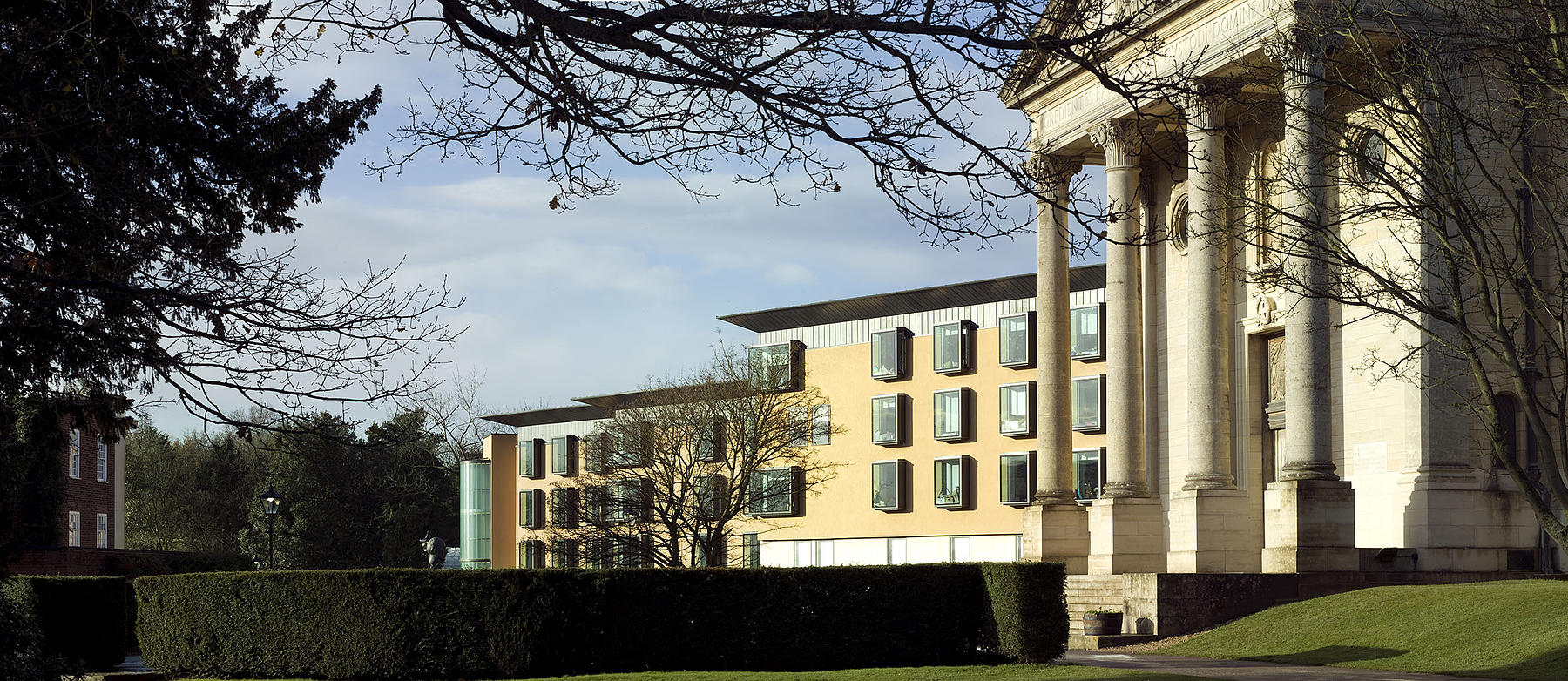
Set within the Grade I registered landscape of Stowe and surrounded by the largest concentration of Grade I listed buildings in England, the boarding houses demonstrate how contemporary architecture can respond sensitively to an exceptional historic setting while supporting the changing needs of modern education.
Creating Residential Communities for Learning and Wellbeing
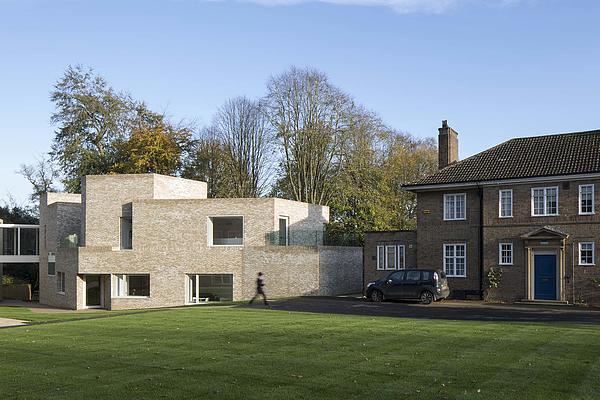
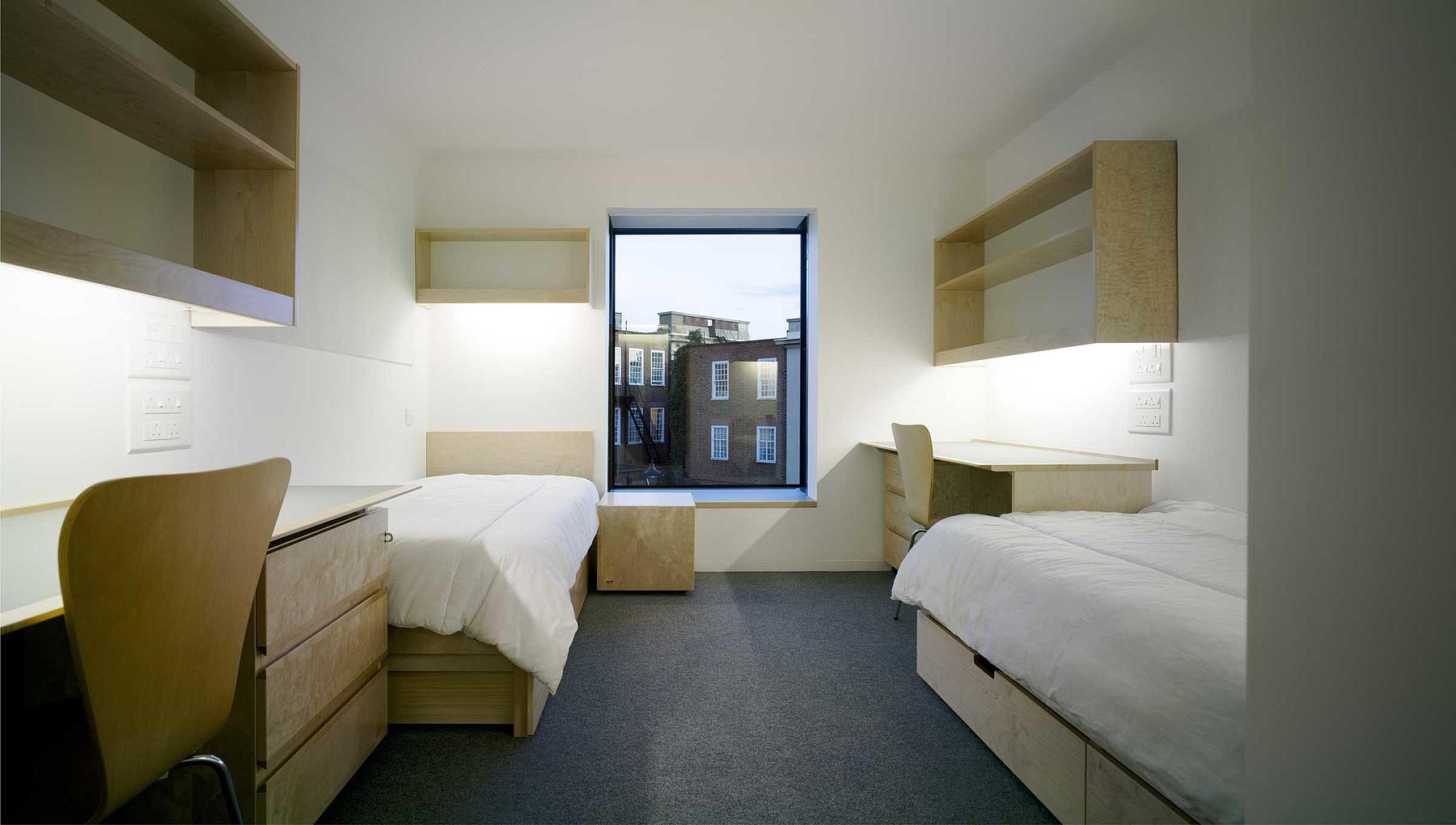
Designed as more than places to sleep, the boarding houses create welcoming residential communities that foster belonging, independence and wellbeing. The architecture supports the rhythms of daily school life, balancing opportunities for study, social interaction, privacy and pastoral care within light-filled and carefully considered living environments. The project reflected the school's commitment to providing high-quality accommodation for girls and represented an important step in the continuing evolution towards a more balanced and inclusive boarding community.





A Contemporary Response to the Estate
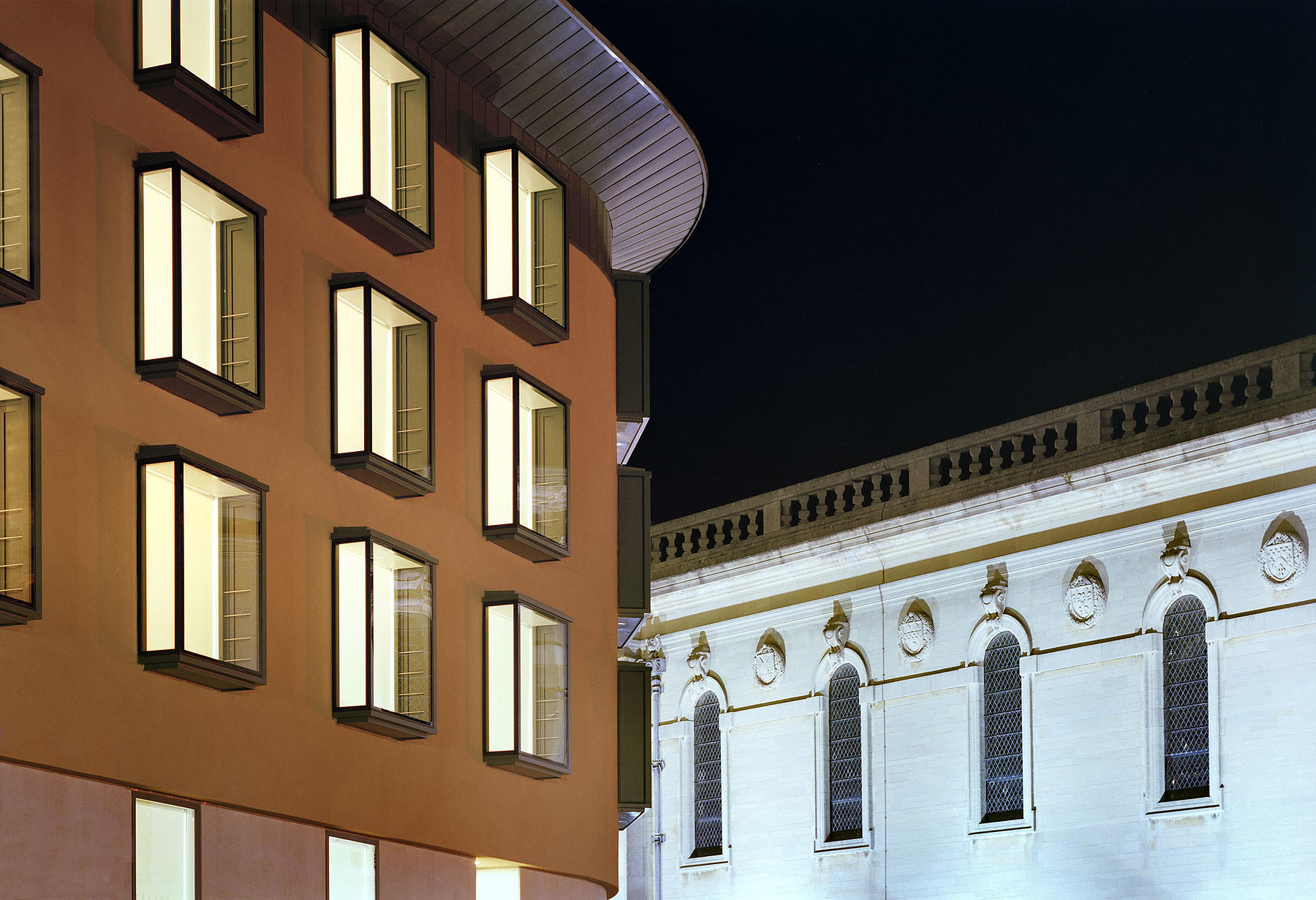
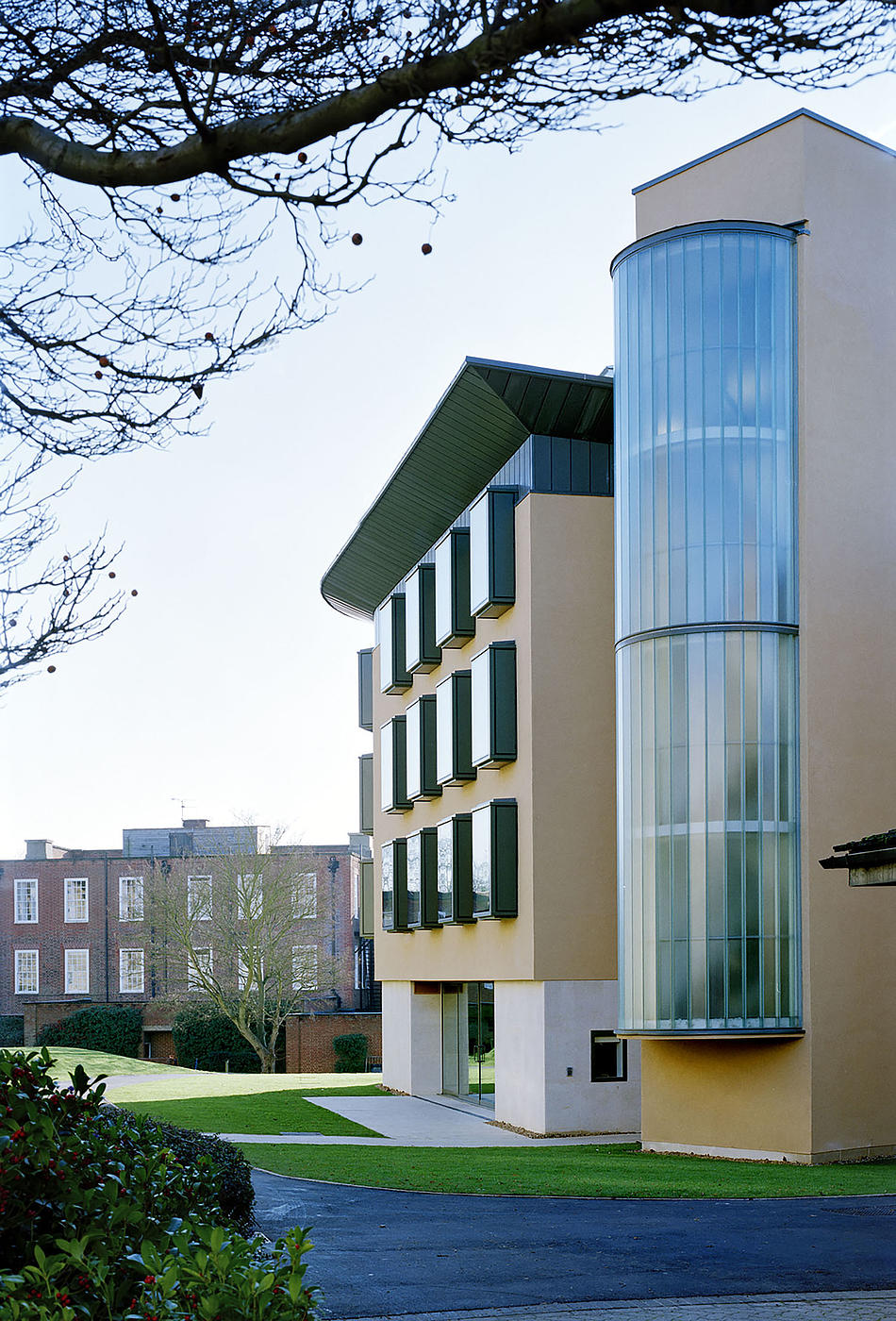
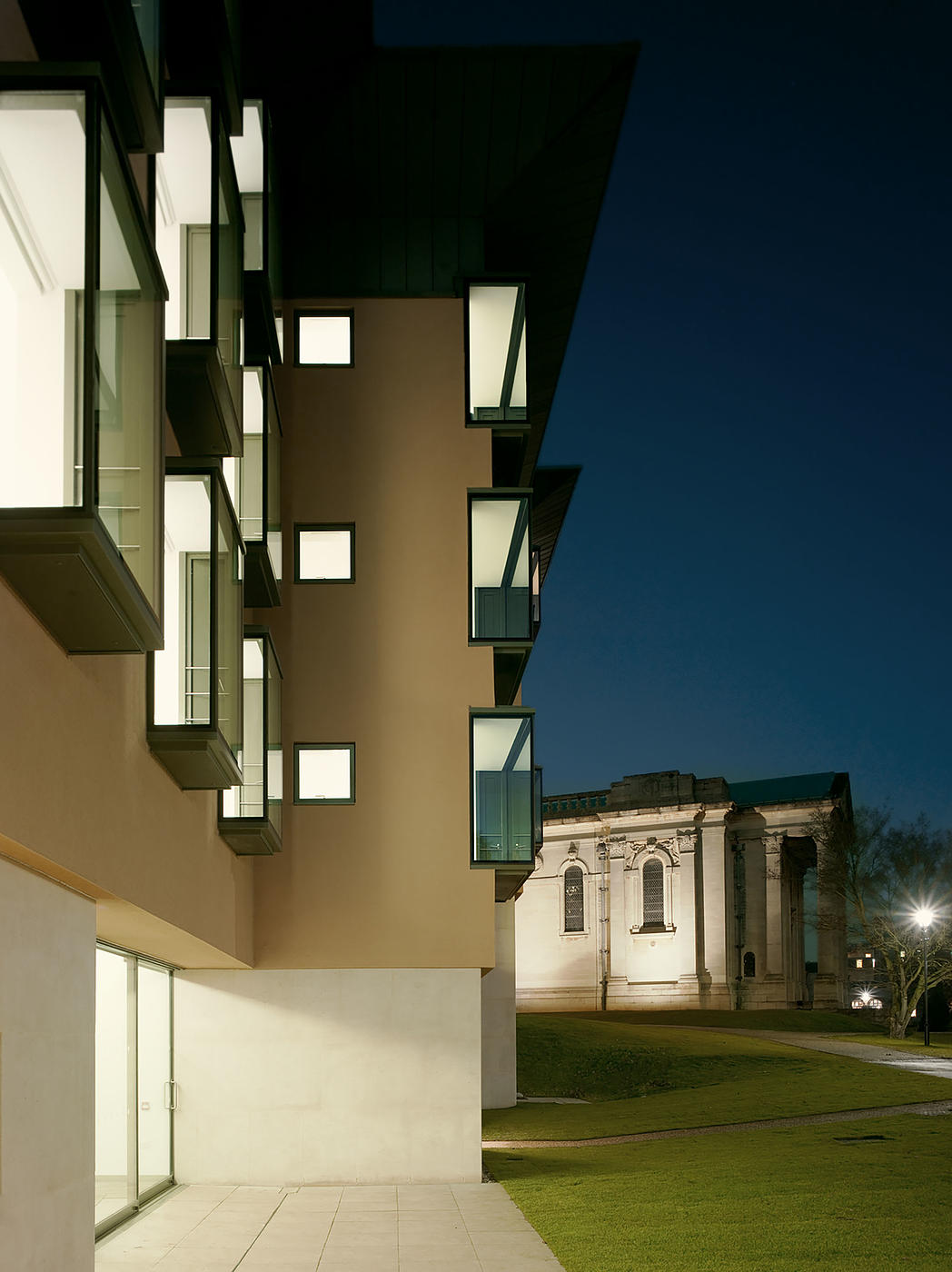
The buildings respond to the architectural character of Stowe House through the use of Bath stone, zinc and render, creating a contemporary architectural language that sits comfortably within the wider estate. A gently curved façade reflects the geometry of the surrounding landscape, while projecting windows maximise natural light and frame views across the gardens, reinforcing the relationship between the buildings and their remarkable setting.
Landscape-Led Design and Heritage Stewardship
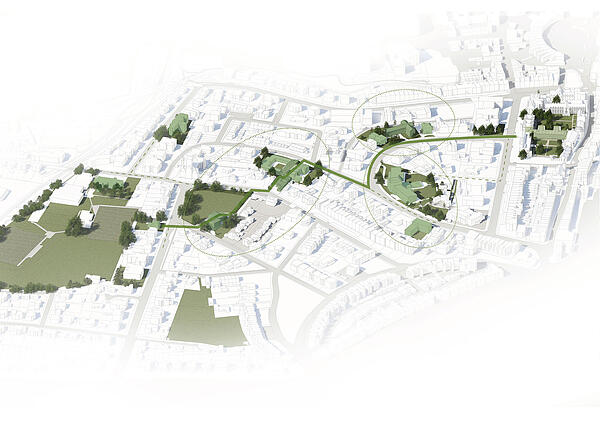
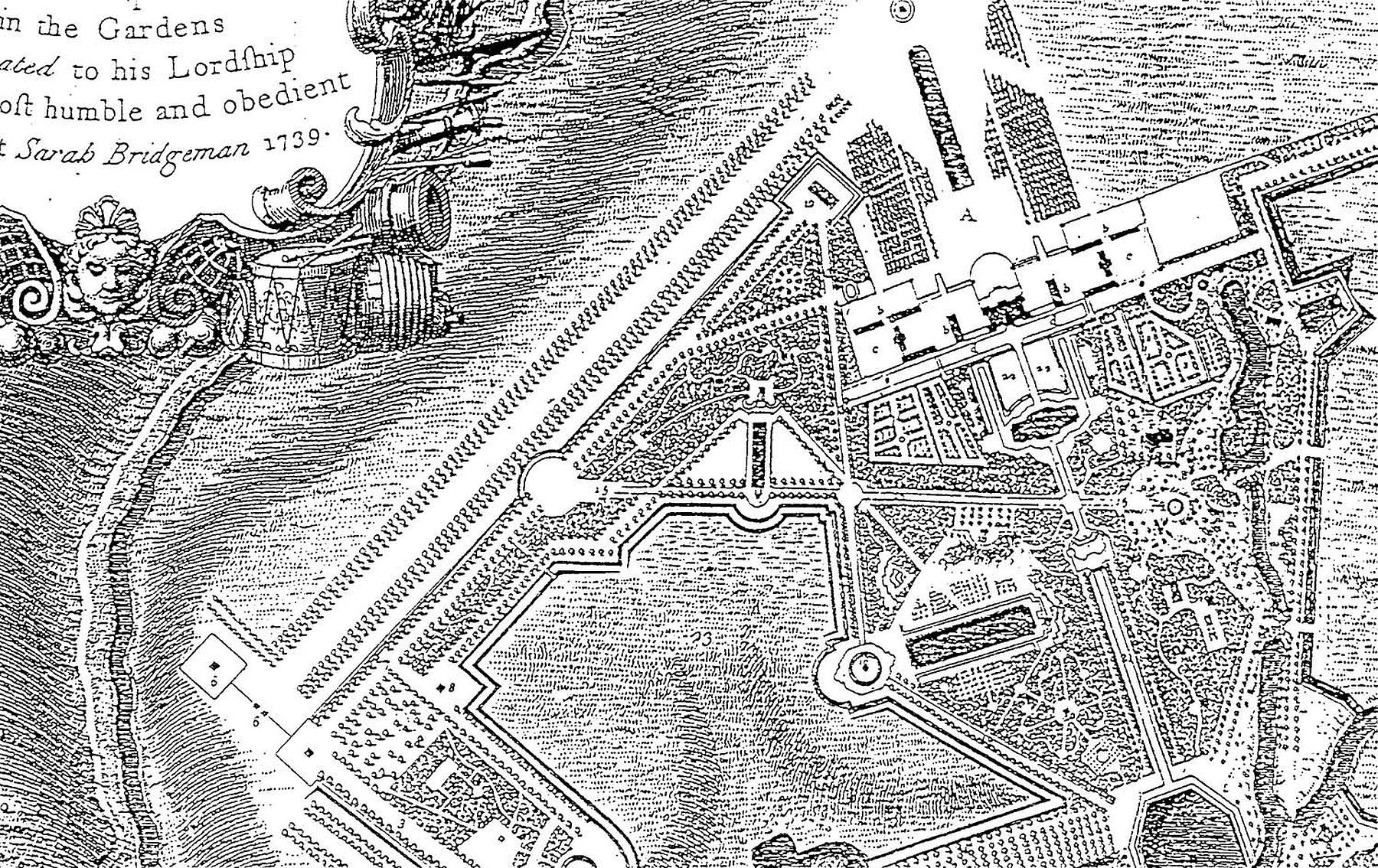
The siting of the buildings was informed by a detailed understanding of the historic landscape. Their alignment preserves important views, avoids significant archaeological features and reinstates elements of Charles Bridgeman's eighteenth-century landscape composition, including the historic lime avenue, strengthening connections between the boarding houses, Stowe House and the wider parkland. The project demonstrates how new architecture can contribute positively to the ongoing stewardship of nationally significant heritage landscapes.
Establishing Principles for Future Educational Projects
This commission became the foundation for MICA's expanding education portfolio. The principles established at Stowe—creating places that integrate living and learning, support wellbeing, respect heritage and landscape, and enable institutions to evolve over time—have continued to inform the practice's work for independent schools and educational campuses in the UK and internationally.
Supporting the Long-Term Evolution of the Estate
Today, MICA continues to support the long-term development of the Stowe estate through a diverse programme of projects, including masterplanning, heritage conservation, new educational buildings, landscape initiatives and the integration of the David Wynne sculpture collection. Together these projects demonstrate a shared commitment to the careful stewardship of one of England's most significant historic places while ensuring it continues to thrive as a vibrant place of learning for future generations.